
Accurate flooring analysis and takeoffs are essential components of the construction and renovation industries. These practices help ensure that flooring projects, whether residential, commercial, or industrial, are completed efficiently, within budget, and on schedule. The process of flooring takeoffs involves determining the exact quantity of materials required, which ultimately leads to more precise cost estimations, better material management, and fewer project delays. This paper explores the concept of flooring takeoffs in detail, offering insights into methods, tools, best practices, and challenges encountered during the estimation process. The aim is to provide a comprehensive understanding of how precise flooring analysis and takeoffs contribute to the overall success of a project.
Introduction
The accuracy of flooring takeoffs plays a pivotal role in ensuring the success of construction projects, particularly in terms of budget management and timely execution. Flooring takeoffs involve calculating the precise quantity of materials needed for a flooring installation. This includes not only the flooring materials themselves but also sub-materials such as adhesives, underlayment, baseboards, and trims. Precise takeoffs are essential for creating accurate cost estimates, preventing both shortages and overages of materials, and optimizing labor and time resources. This article delves into the key aspects of flooring analysis and takeoffs, exploring various methods, tools, best practices, and the challenges faced by contractors and estimators in the field.
Understanding Flooring Takeoffs
Definition and Scope
A flooring takeoff is the process of identifying and calculating the materials required for a flooring installation based on detailed project plans or blueprints. This process involves measuring and quantifying all the components needed to complete the project successfully, from the primary flooring material (wood, tile, carpet, vinyl, etc.) to the secondary materials like adhesives, underlayment, and trim. A precise flooring takeoff helps estimators and contractors understand the total cost of the flooring materials required, which is crucial for generating a reliable budget and timeline.
The scope of a flooring takeoff typically includes:
- Flooring Material: The main material required for installation (e.g., tiles, hardwood, carpet).
- Adhesives and Underlayment: Materials needed to ensure proper installation and long-lasting durability.
- Baseboards and Trims: These finishing touches require accurate measurement to ensure a seamless aesthetic finish.
- Labor and Waste Factor: Estimating labor needs and accounting for material waste during the installation process.
Accurate flooring takeoffs provide the project manager with a clear vision of the material needs and cost, helping to allocate resources effectively.
Importance of Flooring Takeoffs
Precise flooring takeoffs are important for several reasons, including:
- Cost Management: Precise estimates ensure that the project stays within budget by preventing material shortages or excess purchases.
- Time Management: Proper takeoffs help in predicting the duration of the project by accounting for material availability and labor needs.
- Resource Optimization: Minimizing material waste and reducing the risk of delays caused by unexpected shortages.
- Client Satisfaction: Accurate takeoffs can be presented to clients, increasing transparency and ensuring trust in the contractor’s ability to deliver within the agreed-upon budget and schedule.
- Error Prevention: By identifying potential discrepancies early, precise takeoffs minimize the likelihood of costly errors during the installation phase.
Methods for Flooring Takeoffs
Manual Takeoffs
Manual flooring takeoffs have been the traditional method for many years. This method involves physically measuring the project space using rulers, measuring tapes, and calculators to determine the required material quantities. Manual takeoffs typically involve:
- Reviewing project blueprints or floor plans.
- Measuring the dimensions of each room or area.
- Calculating the total square footage.
- Applying material coverage rates (e.g., square footage per box of tile or per roll of carpet).
While effective, manual takeoffs are time-consuming, prone to human error, and can be challenging when working with complex or large-scale projects. Additionally, the lack of digital documentation can lead to difficulties in tracking changes or discrepancies.
Digital Takeoffs
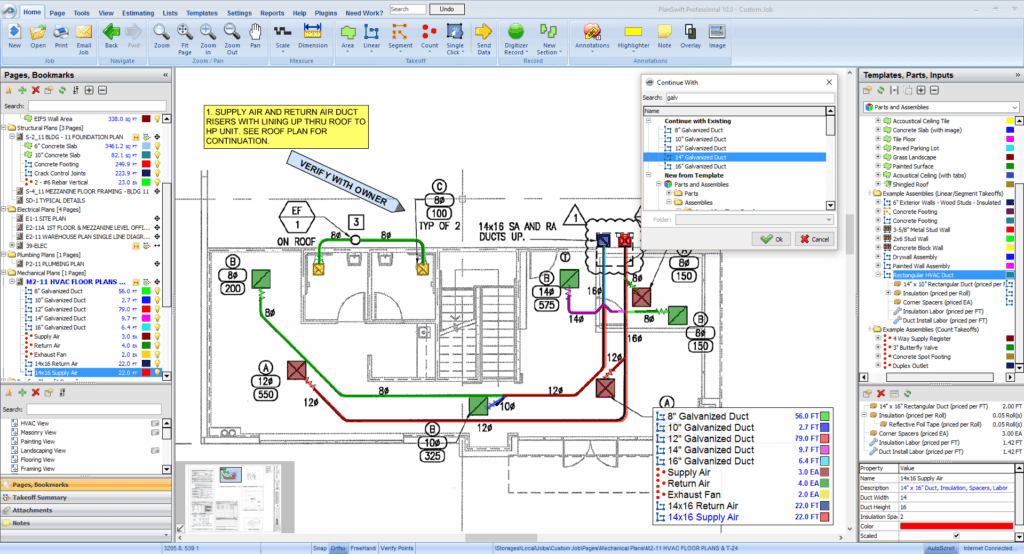
With advancements in technology, digital takeoff tools have become the go-to solution for flooring estimators. These tools streamline the estimation process, offering enhanced accuracy, speed, and integration with other project management tools. Digital flooring takeoffs utilize software that allows for precise measurements and calculations from digital blueprints or plans, eliminating the risk of human error.
Some benefits of digital takeoffs include:
- Accuracy: Digital tools can automatically calculate measurements and quantities, ensuring greater precision.
- Speed: Estimators can complete takeoffs in a fraction of the time compared to manual methods.
- Integration: Many digital tools integrate with project management software, allowing seamless updates and coordination between different teams (estimators, contractors, and suppliers).
- Cloud-Based Collaboration: Cloud-based tools allow team members to collaborate remotely, ensuring real-time updates and access to the most current information.
Popular digital takeoff software includes:
- MeasureSquare: Known for its comprehensive flooring takeoff solutions, MeasureSquare is designed to handle a variety of flooring types and projects (measuresquare.com).
- STACK: This cloud-based platform provides a variety of tools for digital takeoffs, allowing contractors and estimators to create detailed and accurate flooring material lists (stackct.com).
- Kreo Software: This AI-powered software automatically generates flooring takeoffs, saving time and increasing efficiency while ensuring accurate cost estimations (kreo.net).
Best Practices for Flooring Takeoffs
Detailed Measurement of Space
Accurate measurements are the cornerstone of a reliable flooring takeoff. Estimators should ensure that all areas to be floored are measured precisely, including any irregular or odd-shaped spaces, alcoves, or fixtures that might affect the material quantities.
Tips for accurate measurement:
- Measure both length and width of the space, ensuring that all corners and edges are accounted for.
- Use software tools that allow for digital measurement of blueprints to reduce human error.
- Ensure that areas such as doorways, columns, and wall fixtures are subtracted from the total square footage when calculating material quantities.
Proper Waste Factor Consideration
A waste factor is typically included in flooring takeoffs to account for the material lost during the installation process, whether due to cutting, mistakes, or future repairs. A common practice is to add 5-10% to the total material quantity to account for this waste.
Why is the waste factor important?
- It helps prevent project delays due to shortages of materials.
- It ensures that additional material is available for repairs or adjustments during the project lifecycle.
Material Selection and Specifications
The accuracy of flooring takeoffs also depends on the correct identification of the materials to be used. Different flooring types have unique characteristics, including coverage rates, thickness, and installation requirements. Estimators should ensure that they select the correct type and specifications for each material to achieve an accurate takeoff.
Examples of materials include:
- Wood: Hardwood or engineered wood flooring has specific installation patterns that impact the takeoff.
- Tile: Ceramic or porcelain tiles require careful measurement of grout lines and potential cuts.
- Carpet: Rolls of carpet must be measured in terms of both width and length, considering patterns and seams.
Labor Estimation
Estimating labor needs is another critical aspect of flooring takeoffs. The type of flooring material, the complexity of the installation, and the project size all affect labor requirements. For example, installing hardwood flooring may require more skilled labor compared to vinyl or carpet installation. Accurate labor estimations help contractors plan and allocate resources more effectively.
Accurate Documentation
Maintaining detailed records of all measurements, material quantities, and any adjustments made during the takeoff process is crucial. This documentation serves as a reference throughout the project and can be invaluable for resolving disputes or questions from the client.
Tools and Technologies in Flooring Takeoffs
On-Screen Takeoff (OST) Software
On-Screen Takeoff (OST) is a type of software that allows estimators to measure project plans and blueprints directly on their computer screens. OST tools help simplify the process of identifying quantities and measurements in a digital format, reducing the potential for error while increasing speed.
Mobile Applications for On-Site Takeoffs
Mobile applications have become a game-changer for flooring takeoffs, enabling estimators to work in real-time directly on the job site. These tools allow for instant updates and adjustments to takeoff measurements as conditions on the ground change.
Artificial Intelligence and Automation
AI-powered software tools, such as Kreo Software, utilize machine learning to automate the process of generating flooring takeoffs. This reduces human error and enhances overall efficiency. These tools can instantly analyze project plans and generate accurate material quantities, making them especially useful for large or complex projects.
Challenges in Flooring Takeoffs
Complex Layouts and Irregular Spaces
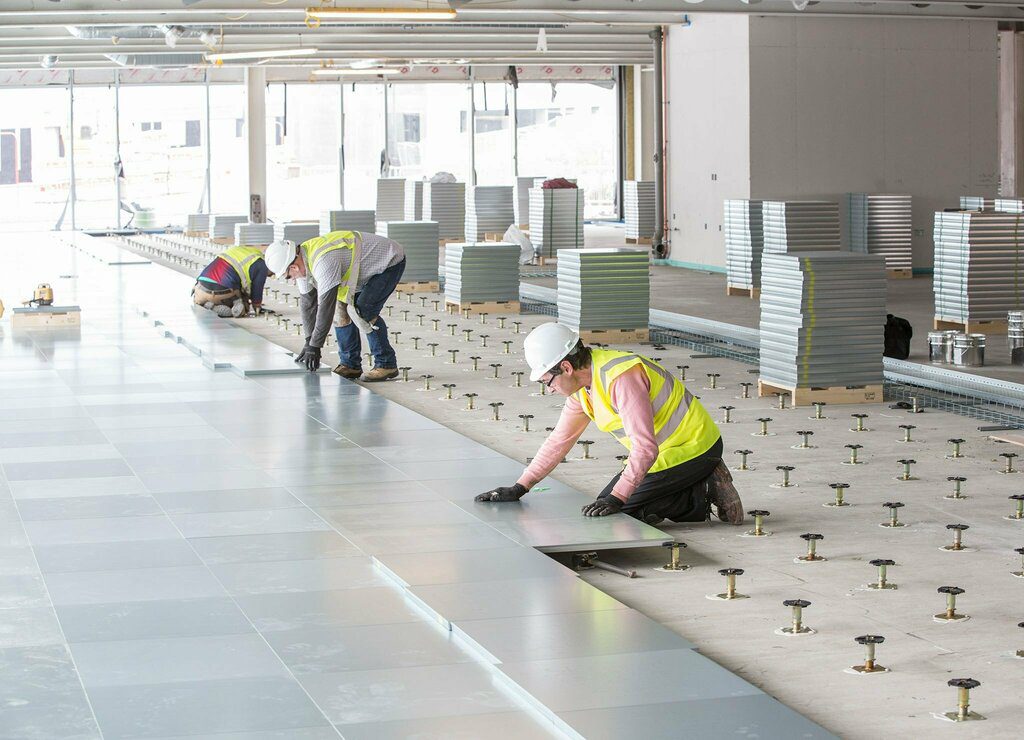
Floor plans with complex layouts or irregularly shaped rooms can be particularly challenging to measure accurately. Estimators must ensure they account for every nook and cranny in the space to avoid errors in material estimation.
Material Variability
Different flooring materials have different installation patterns, coverage rates, and waste factors. Estimators must be familiar with each type of flooring material and ensure that they are accurately measured and documented during the takeoff process.
Time Constraints and Deadlines
In fast-paced construction environments, estimators often face tight deadlines. While accurate flooring takeoffs are essential, there may be pressure to complete them quickly. This can lead to errors if shortcuts are taken, or measurements are rushed.
Conclusion
Precise flooring analysis and takeoffs are essential for the success of any flooring project. By adopting accurate measurement techniques, using advanced digital tools, and following best practices, contractors and estimators can ensure that their projects stay on budget, on time, and free from costly errors. The use of digital tools, mobile applications, and AI-powered software continues to transform the industry, improving accuracy and efficiency. As the industry evolves, the importance of precise flooring analysis and takeoffs will only continue to grow, making them a vital aspect of modern construction practices.

