
When planning a 2 car garage, knowing the proper garage dimensions is critical for comfort, safety, and long-term usability. At Stellar Estimate, we specialize in providing commercial and residential construction estimates across the United States. Whether you are building a garage for personal vehicles, storage, or commercial use, understanding standard dimensions, layout options, and design considerations is essential for maximizing space efficiency and functionality.
In this guide, we cover everything from standard dimensions to garage door options, layout planning, and cost considerations. By the end, you’ll have a complete understanding of what makes a functional and efficient 2 car garage.
Standard 2 Car Garage Dimensions
The most important factor in designing a garage is ensuring it fits your vehicles comfortably while allowing room for storage and movement. Typical 2 car garage dimensions in the U.S. are:
- Width: 20–24 feet
- A standard 20-foot width fits most cars, but 22–24 feet gives extra room for storage and opening doors comfortably.
- A standard 20-foot width fits most cars, but 22–24 feet gives extra room for storage and opening doors comfortably.
- Depth: 20–24 feet
- A 20-foot depth accommodates most vehicles, but if you plan to add a workshop, cabinets, or extra storage, a depth of 24 feet is recommended.
- A 20-foot depth accommodates most vehicles, but if you plan to add a workshop, cabinets, or extra storage, a depth of 24 feet is recommended.
- Height: 7–9 feet
- Standard garage doors are usually 7 feet tall, but 8–9 feet is preferable for trucks, SUVs, or commercial vehicles.
- Standard garage doors are usually 7 feet tall, but 8–9 feet is preferable for trucks, SUVs, or commercial vehicles.
Example Layout:
| Feature | Standard Size |
| Vehicle Space (per car) | 10–12 ft width × 20–24 ft depth |
| Total Garage Width | 20–24 ft |
| Total Garage Depth | 20–24 ft |
| Garage Door Width | 16 ft double door or 8–9 ft per single door |
| Ceiling Height | 8 ft recommended |
Factors Affecting Garage Dimensions
Several factors influence the final 2 car garage size:
1. Vehicle Size
The type of vehicles you own is the primary factor in garage dimensions.
- Compact cars: 18–20 feet width and 20 feet depth may suffice.
- SUVs and trucks: 22–24 feet width and 22–24 feet depth are safer.
2. Storage Needs
Adding storage shelves, bicycles, seasonal equipment, or lawn tools will require extra width or depth. Plan at least 2–4 feet additional space to accommodate storage without crowding vehicles.
3. Workspace Requirements
Many homeowners and businesses use garages as workshops or hobby spaces. Adding a workbench or small tool area requires a depth increase of 2–4 feet and proper lighting.
4. Commercial Considerations
If your garage is part of a commercial project, such as a rental garage or auto service facility, planning for extra width and ceiling height is essential. Wider doors and deeper spaces allow multiple vehicles and smooth workflow.
Garage Door Options
Selecting the right garage door impacts garage dimensions and functionality:
- Single Double Door: One door, 16 feet wide, suitable for residential garages.
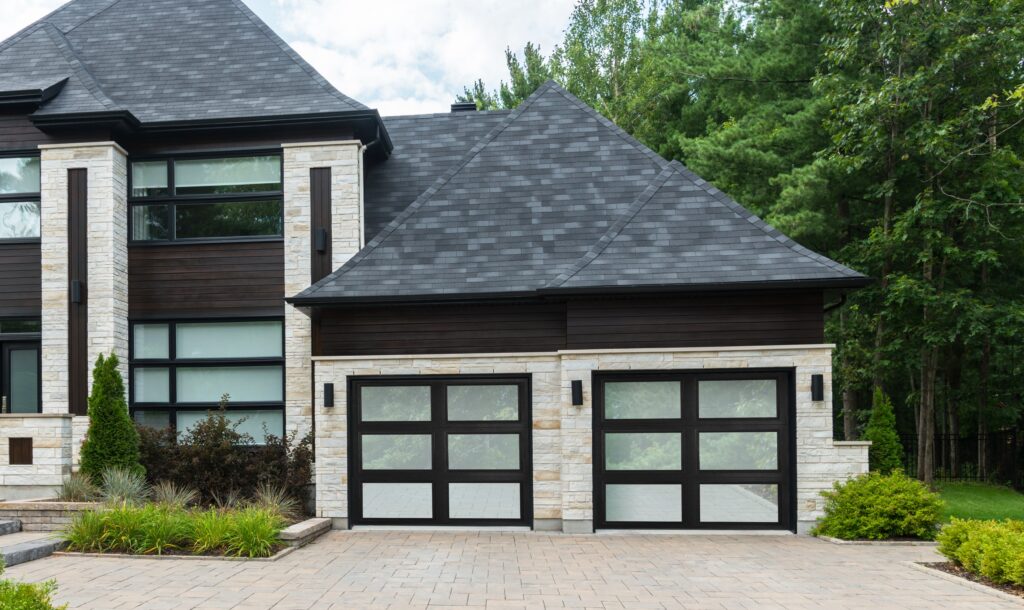
- Two Single Doors: Each 8–9 feet wide, allows flexibility and individual access.
- Commercial Garage Doors: Typically 10–12 feet wide and taller for trucks and vans.
Tip: For commercial garages or oversized vehicles, consider higher and wider doors to avoid damage and improve accessibility.
Popular 2 Car Garage Layouts
- Side-by-Side Layout
- Vehicles parked next to each other.
- Standard for residential garages.
- Allows easy access to each vehicle.
- Vehicles parked next to each other.
- Tandem Layout
- Vehicles parked one behind the other.
- Saves width but requires longer depth.
- Ideal for narrow lots.
- Vehicles parked one behind the other.
- L-Shaped Garage
- Vehicles parked in an L pattern.
- Creates additional space for storage or a workshop.
- Suitable for corner lots.
- Vehicles parked in an L pattern.
Design Tips for 2 Car Garages
- Extra Space for Doors: Leave at least 2–3 feet around vehicles for opening doors comfortably.
- Plan for Storage: Use overhead storage racks, cabinets, and shelves to maximize vertical space.
- Lighting and Ventilation: Bright LED lighting and ventilation prevent mold and improve safety.
- Access Points: Include side doors for easy entry and exit without opening garage doors.
- Commercial Features: For businesses, add security systems, large doors, and reinforced flooring for heavy vehicles.
Cost Considerations
The cost of building a 2 car garage depends on several factors:
- Residential Garage: $25,000–$45,000 depending on materials, finishes, and labor.
- Commercial Garage: $40,000–$70,000 depending on size, accessibility, and commercial-grade materials.
- Factors Affecting Cost:
- Garage size and layout
- Type of garage door
- Flooring (concrete, epoxy, tiles)
- Electrical and lighting
- HVAC or ventilation
- Garage size and layout
- Pro Tip: Always get a professional estimate. Stellar Estimate offers accurate U.S. cost estimates tailored to both residential and commercial projects.
Frequently Asked Questions (FAQs)
Q1: What is the minimum size for a 2 car garage?
A: 20 feet wide × 20 feet deep is the minimum. Adding a few extra feet ensures comfortable access.
Q2: How tall should a 2 car garage ceiling be?
A: Standard ceilings are 8 feet. For trucks, SUVs, or overhead storage, consider 9 feet.
Q3: Can I fit two SUVs in a standard 2 car garage?
A: Yes, but for larger SUVs, a width of 22–24 feet and depth of 22–24 feet is recommended.
Q4: Should I add extra space for storage?
A: Yes. Extra width or depth allows room for tools, bikes, and seasonal items.
Q5: What garage door option is best for commercial garages?
A: Wide, tall doors (10–12 feet) are recommended to accommodate large vehicles and ensure easy access.
Q6: How much does a 2 car garage cost?
A: Costs vary by materials, size, and location. Residential garages: $25k–$45k, Commercial: $40k–$70k. Accurate estimates can be provided by Stellar Estimate.
Conclusion
Understanding 2 car garage dimensions is essential for a functional, safe, and efficient space. From residential garages to commercial facilities, proper planning ensures that your garage fits vehicles comfortably, provides storage, and accommodates future needs.
At Stellar Estimate, we provide professional construction estimates, layout advice, and project planning tailored to U.S. standards. Whether it’s for personal use or commercial projects, accurate planning and measurement ensure your garage is a valuable and long-lasting investment.
