
Painting Rate per Square Feet: A Complete Guide for 2026
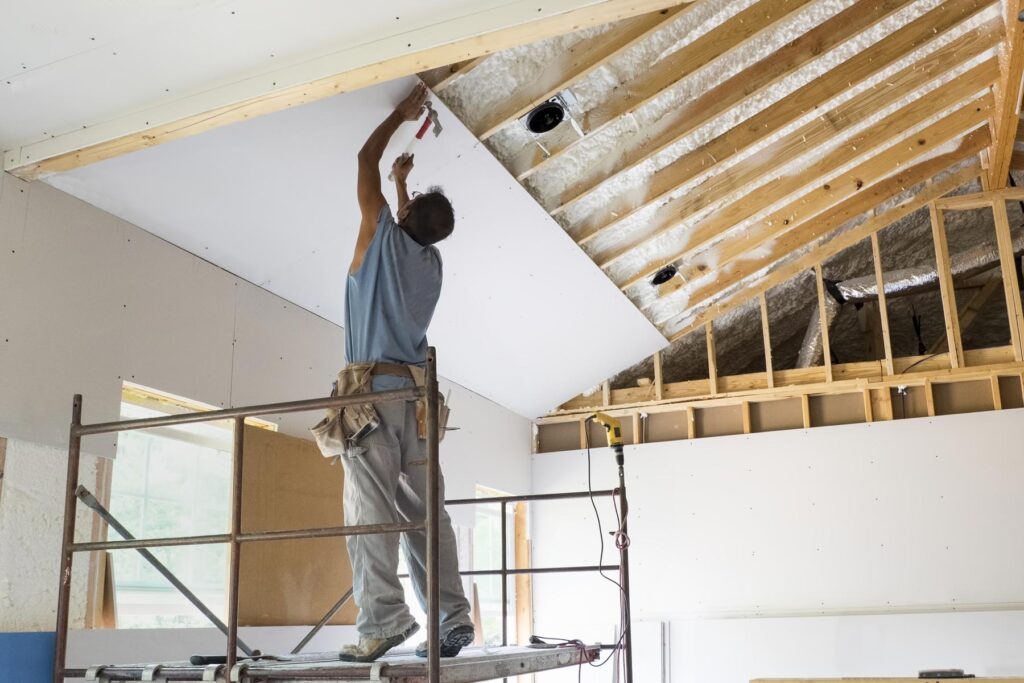
When planning a painting project, knowing the painting rate per square feet is essential for budgeting and avoiding surprises. Whether it’s a residential home, commercial building, or industrial facility, painting costs can vary widely depending on the materials, labor, surface type, and location. At Stellar Estimate, we provide expert insights and accurate estimates to help homeowners, business owners, and contractors across the United States plan their painting projects efficiently. This guide explains everything you need to know about painting rates per square foot, how to calculate costs, factors affecting pricing, and tips to save money without compromising quality. What is the Painting Rate per Square Foot? The painting rate per square foot is the cost of painting a surface, calculated based on the total square footage. This pricing method is commonly used by professional painters because it allows for clear estimates regardless of project size. Rates usually include: Additional services like surface repairs, scaffolding, textured finishes, or premium paints may increase the cost. Factors Affecting Painting Rates per Square Foot Painting costs are influenced by several factors. Understanding these can help you plan your project more accurately: 1. Type of Surface 2. Quality of Paint Paint quality significantly affects both cost and durability: 3. Number of Coats Most projects require at least two coats for proper coverage. 4. Surface Preparation Preparation is a critical step: Poor preparation can lead to peeling paint, requiring rework and more cost over time. 5. Labor Costs Labor rates vary by region and painter experience. Urban areas typically have higher rates than rural regions. Experienced painters may charge more but offer better efficiency and quality. 6. Project Size and Complexity Average Painting Rates per Square Foot in the U.S. Here is a detailed range of painting costs in the United States (2026 estimates): Painting Type Average Rate per Sq. Ft. Notes Interior Walls $1.50 – $4.00 Two coats, basic preparation included Exterior Walls $1.80 – $5.50 Durable paint, weather-resistant coatings Ceilings $1.00 – $3.00 Smooth or textured surfaces Trim & Doors $2.00 – $6.00 Includes primer, sanding, and painting Commercial Projects $2.50 – $6.50 Taller spaces, scaffolding, fast turnaround Tip: Always confirm whether rates include paint, primer, labor, and preparation. Some quotes may only include labor. How to Calculate Painting Costs Calculating your painting cost is straightforward: Measure the Area Choose a Painting Rate Multiply Area by Rate Add Extra Costs Commercial Adjustments Cost-Saving Tips Without Sacrificing Quality Commercial Painting Considerations Commercial painting projects differ from residential ones: At Stellar Estimate, we handle both residential and commercial projects, offering precise estimates, high-quality materials, and professional results for all U.S. locations. Frequently Asked Questions (FAQs) Q1: Does the painting rate include labor and materials? A: Most per-square-foot rates include labor and basic materials. Premium paints or specialty finishes may increase costs. Q2: How many coats are typically required? A: Two coats are standard for walls and ceilings. Priming may be needed for new or repaired surfaces. Q3: Do painting rates vary by state? A: Yes, urban areas often have higher rates due to labor and material costs, while rural areas may be lower. Q4: Can I get a flat rate instead of per square foot? A: Some painters offer flat rates, but per-square-foot pricing is more accurate for estimating projects of different sizes. Q5: How can I reduce painting costs without lowering quality? A: Use quality paint, prepare surfaces yourself, compare quotes, and plan projects during off-peak seasons. Q6: Are commercial painting rates higher than residential? A: Yes, commercial projects often involve taller ceilings, specialized coatings, tight timelines, and additional equipment costs. Conclusion Understanding painting rate per square feet is essential for accurate budgeting and successful project planning. By considering surface type, paint quality, labor, and preparation, you can ensure your painting project is completed efficiently and professionally. At Stellar Estimate, we specialize in providing detailed, accurate estimates for residential and commercial painting projects across the United States. Our expertise helps property owners plan budgets, choose the right materials, and achieve high-quality results every time.
Drywall Installation Cost Per Square Foot 2026: Complete Guide
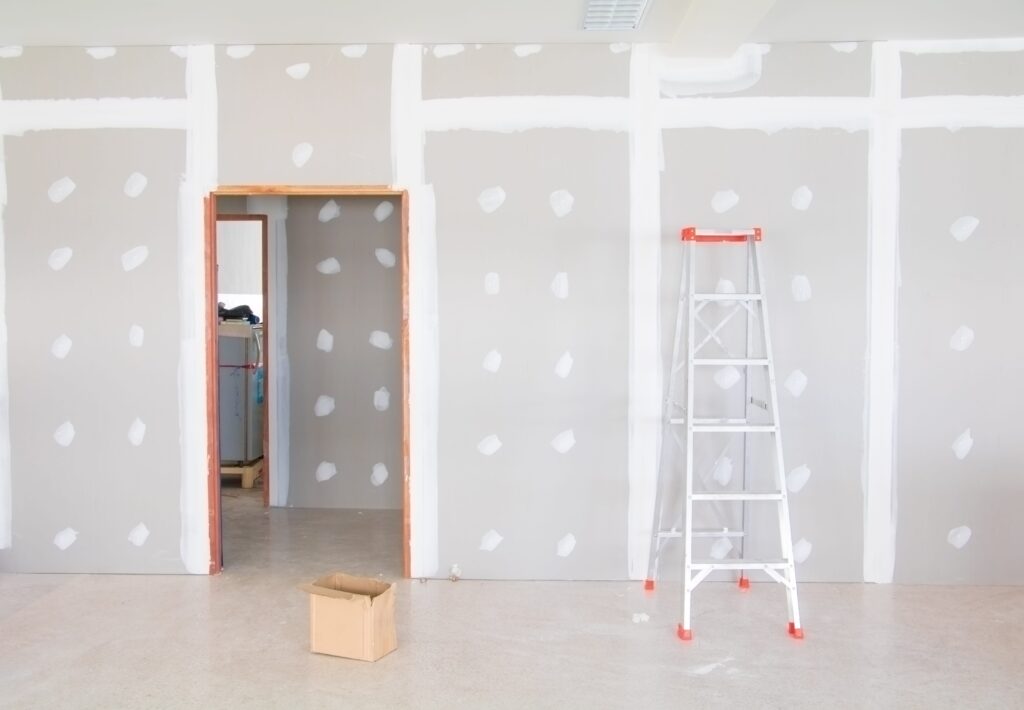
Drywall is one of the most essential components in modern construction, providing smooth, durable walls and ceilings for residential, commercial, and industrial buildings. If you’re planning a renovation, remodeling, or new construction in 2026, understanding the drywall installation cost per square foot is critical for budgeting and planning. At Stellar Estimate, we specialize in commercial and residential drywall projects across the United States, offering professional guidance, transparent pricing, and practical tips to help you make informed decisions. This guide will cover everything from material types and labor costs to project complexity, regional differences, and ways to save money. 1. Factors That Affect Drywall Installation Costs Several elements impact the overall drywall installation price. Understanding them will help you estimate your project accurately. a) Type of Drywall Drywall comes in multiple varieties, each with a different price range: b) Labor Costs Labor is a significant part of drywall installation costs, often accounting for 50–60% of the total. Labor rates in 2026 vary based on location and contractor experience: c) Project Complexity Simple rectangular rooms cost less per square foot than irregular spaces with vaulted ceilings, arches, or multiple corners. Complex commercial projects with high ceilings or custom finishes can increase the cost by 15–30%. d) Additional Costs 2. Average Drywall Installation Cost Per Square Foot in 2026 Here’s a detailed breakdown of drywall costs per square foot based on type and installation: Drywall Type Material Cost Labor Cost Total Cost per Sq Ft Best Use Case Standard 1/2″ $0.50–$0.80 $1.50–$2 $2–$2.80 Interior walls, ceilings Moisture-Resistant $0.70–$1 $1.50–$2 $2.20–$3 Bathrooms, basements Fire-Resistant $1–$1.50 $2–$3 $3–$4.50 Commercial, multi-family units Soundproof $1.50–$2 $2–$3 $3.50–$5 Offices, home theaters Pro Tip: Ordering drywall in bulk for large projects can reduce material costs and improve overall efficiency. 3. Regional Price Differences In the United States, drywall installation costs vary significantly by region: Commercial projects in major metropolitan areas may also require fire-rated or soundproof drywall, increasing costs compared to standard residential installations. 4. How to Save on Drywall Installation Costs 5. Why Hire a Professional Contractor? While DIY drywall installation is possible, professional contractors provide: At Stellar Estimate, we specialize in both residential and commercial drywall installations, ensuring quality finishes, timely completion, and accurate pricing. FAQs About Drywall Installation Cost in 2026 Q1: What is the average drywall installation cost per square foot in 2026? A: Between $2 and $5 per sq ft, depending on drywall type, labor rates, and project complexity. Q2: Does drywall thickness affect the price? A: Yes, thicker sheets (5/8 inch) or specialty sheets like fire-resistant drywall cost more due to material and labor. Q3: Can I install drywall myself to save money? A: DIY installation is possible but can result in uneven walls and costly mistakes. Professional installation is recommended, especially for commercial projects. Q4: Are there regional price differences? A: Yes. High-cost cities like NYC, LA, and DC have higher labor rates compared to smaller towns or rural areas. Q5: How much does finishing (taping, mudding, sanding) add to the cost? A: Typically $0.50–$1 per sq ft, depending on the complexity of the walls and corners. Q6: How can I save on commercial drywall installation? A: Consider bulk material purchases, standard sheet sizes, and hiring one contractor for multiple services to reduce labor costs. Conclusion Understanding the drywall installation cost per square foot in 2026 is crucial for accurate budgeting and project planning. At Stellar Estimate, we provide expert guidance for both residential and commercial projects across the United States. By knowing the factors that affect cost, regional pricing trends, and practical tips for savings, you can make informed decisions and achieve professional results.
How Much Does It Cost to Repaint a House | Stellar Estimate
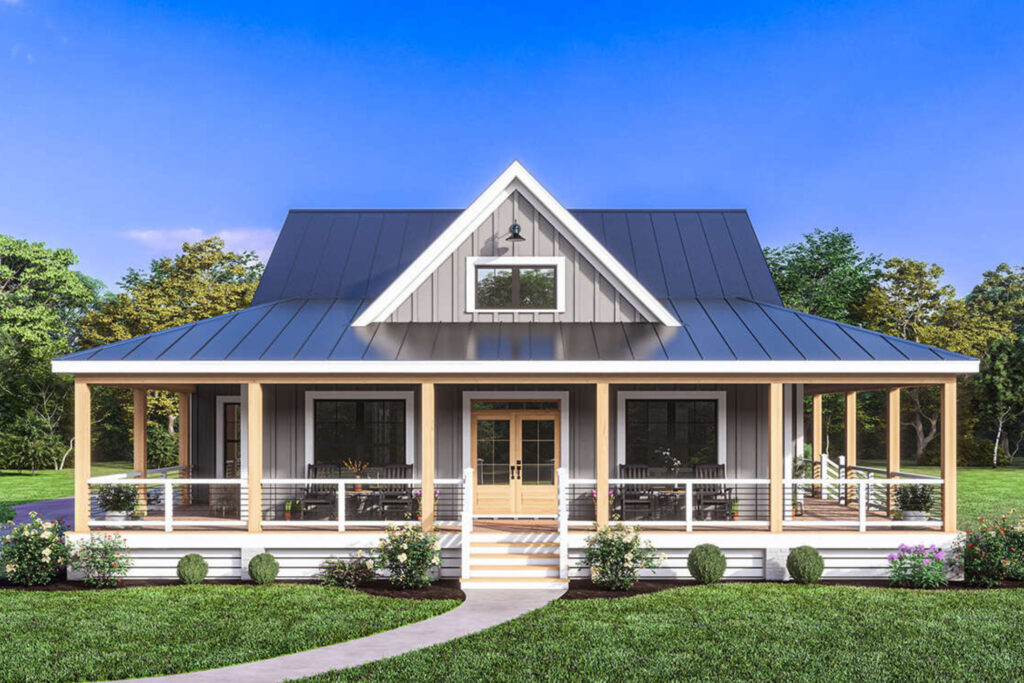
Repainting a house is more than just a cosmetic upgrade—it’s an investment in your home’s protection, curb appeal, and long-term value. Many homeowners in the United States ask: “How much does it cost to repaint a house?” The answer varies depending on several critical factors such as the size of your home, the quality of paint, labor costs, surface preparation, and even geographic location. At Stellar Estimate, we specialize in providing accurate commercial-level painting cost estimates for both interior and exterior painting projects. In this guide, we’ll cover everything from average costs to expert tips, ensuring you understand all the nuances before scheduling your project. Average Cost to Repaint a House The average cost to repaint a house can range widely depending on home size, condition, and project scope: These estimates usually include labor and standard-quality paint. High-end paints, extensive surface repairs, and complex architectural features may increase costs. Tip: Always get a detailed written estimate that breaks down labor, materials, and preparation work. 2. Key Factors Affecting House Painting Costs Several variables determine how much your painting project will cost. Understanding them helps you plan effectively: a) Size of Your House The larger your home, the more paint and labor are required. Square footage is the main factor that painters use to estimate costs. For example, a 3,000 sq ft home may require twice as much paint as a 1,500 sq ft home. b) Interior vs. Exterior Painting c) Quality and Type of Paint Paint quality significantly impacts cost and longevity: Paint Type Cost per Gallon Longevity & Benefits Standard Latex $20–$50 Basic coverage, suitable for interior Premium Latex $50–$100 Superior coverage, fade-resistant Specialty Paint $60–$120+ Mold/mildew resistant, exterior focus Tip: Investing in premium paint can reduce maintenance costs over time. d) Surface Preparation Proper preparation ensures a smooth, long-lasting finish. It may include: Neglecting prep work can shorten the life of your paint job and may lead to peeling or cracking. e) Labor Costs Labor often accounts for 50–70% of total painting costs. Hiring professional painters ensures: Labor costs also vary by region. For example, painters in New York or Los Angeles generally charge more than in smaller towns due to higher living costs. f) Geographic Location Cost Breakdown Example For a 2,000 sq ft house, a detailed breakdown might look like this: Service Component Estimated Cost Paint & Supplies $500 – $1,000 Labor $2,000 – $3,000 Surface Preparation $500 – $1,000 Extra Services (trim, shutters, doors) $200 – $800 Total Estimated Cost $3,200 – $5,800 This estimate includes premium quality paint and thorough preparation for long-lasting results. Common Costly Add-Ons Certain features and services can increase the cost of your painting project: How to Save Money Without Sacrificing Quality Benefits of Hiring Professional Painters While DIY painting is tempting, professional painters provide: At Stellar Estimate, we offer commercial-grade painting estimates that ensure your home looks professional and lasts longer. How Long Does It Take to Repaint a House? FAQs – House Painting Costs Q1: How often should I repaint my house? A: Exterior paint typically lasts 5–10 years, while interior paint may last 7–15 years depending on wear. Q2: Is it cheaper to paint myself? A: DIY painting can save money, but improper preparation and application can lead to peeling and shorten paint lifespan. Q3: What paint colors are most cost-effective? A: Neutral colors generally require fewer coats and are easier to touch up, reducing overall cost. Q4: Does home condition affect cost? A: Yes. Older homes with damaged surfaces require more prep work, increasing cost. Q5: How do I choose the right painting contractor? A: Look for licensed, insured painters with positive reviews, transparent estimates, and warranty options. Conclusion Repainting your home is an investment that enhances its appearance, protects its structure, and can increase property value. Knowing how much it costs to repaint a house helps homeowners plan a budget and choose the right painting service. At Stellar Estimate, we provide detailed cost assessments, expert advice, and high-quality painting services to deliver long-lasting results. Whether it’s a single room, full interior, or complete exterior repaint, we ensure your home looks its best for years to come.
How Much to Paint 2000 Sq Ft House Exterior | Stellar Estimate
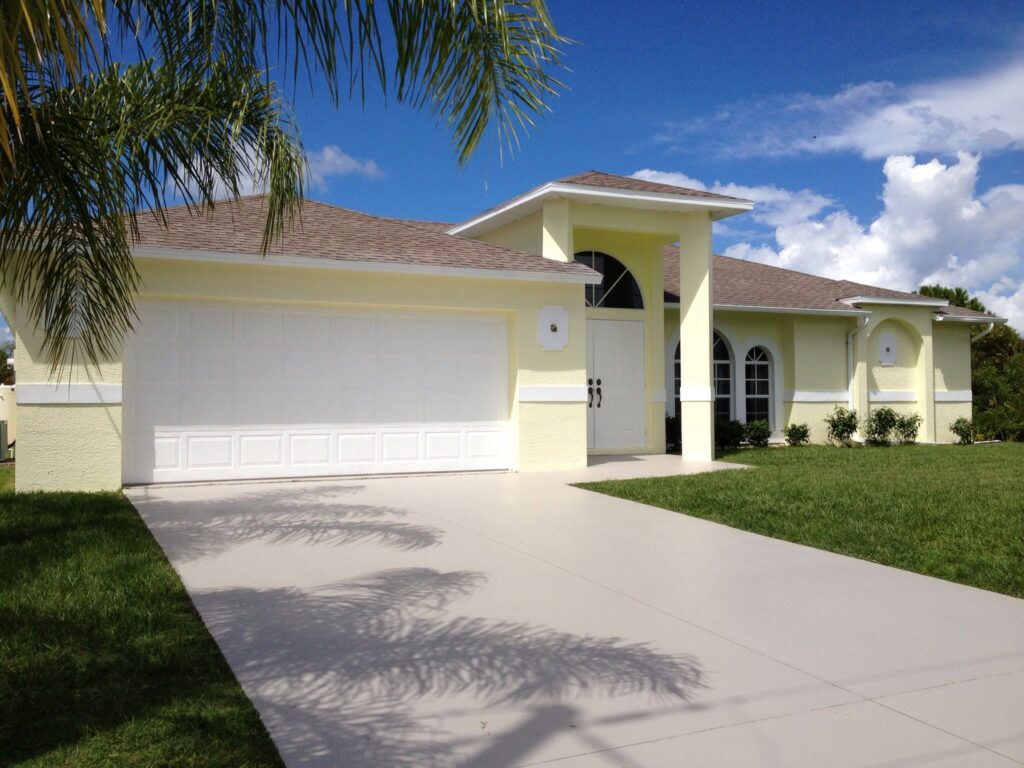
Painting the exterior of a house is more than just a cosmetic upgrade. It protects your home from the elements, increases curb appeal, and can even improve your property’s value. For homeowners with a 2000 square foot house, understanding the costs, materials, and processes involved is crucial. At Stellar Estimate, we specialize in providing detailed, professional insights to help you plan your exterior painting project effectively. In this comprehensive guide, we will cover: Average Cost to Paint a 2000 Square Foot House Exterior The cost of painting a 2000 sq ft exterior can vary widely depending on location, materials, labor, and the condition of the home. On average, homeowners in the United States spend between $3,500 and $7,500 for a complete exterior paint job. Here is a detailed breakdown: Component Estimated Cost Notes Paint $1,000 – $2,000 Includes primer + 2 coats of high-quality exterior paint Labor $2,000 – $4,000 Based on crew size, experience, and location Supplies & Equipment $200 – $500 Brushes, rollers, ladders, scaffolding, drop cloths Surface Prep & Repairs $300 – $1,000 Cleaning, scraping, sanding, caulking, patching damaged areas Optional Trim/Accents $200 – $500 Doors, shutters, railings, fences Note: These are general estimates. Premium paints, complex trims, or homes requiring major repairs can significantly increase costs. Factors Affecting the Cost 1. House Material The type of exterior surface affects both labor and materials: 2. Surface Condition Older homes or homes with peeling paint, rot, or water damage require additional prep work. Extensive repairs will increase labor and material costs. 3. Paint Quality 4. Home Size and Layout Multi-story homes require scaffolding and extra labor. Homes with numerous architectural features (bay windows, dormers, decorative trim) will cost more to paint due to the added detail work. 5. Regional Labor Costs Labor rates vary significantly across the United States. Major cities like New York, Los Angeles, and Chicago have higher rates compared to suburban or rural areas. Step-by-Step Exterior Painting Process Understanding the painting process will help homeowners plan their project better and prevent surprises. Step 1: Inspection and Planning Step 2: Surface Preparation Step 3: Painting Step 4: Trim & Detail Work Step 5: Cleanup and Inspection Paint Types and Materials Choosing the right paint is critical for durability and aesthetic appeal: Primer: A good-quality primer is essential, especially for bare wood, repaired areas, or surfaces being painted a new color. Labor Considerations: DIY vs. Hiring Professionals DIY Painting Professional Painting Recommendation: For a 2000 sq ft house, professional painting is generally safer, more efficient, and ensures long-lasting results. Tips for Saving Money Benefits of Professional Exterior Painting Frequently Asked Questions (FAQs) Q1: How long does it take to paint a 2000 sq ft house exterior? A1: Typically, 3–7 days depending on weather, prep work, and complexity of the home. Q2: How often should I repaint my house exterior? A2: Every 5–10 years depending on climate, material, and paint quality. Q3: Can I paint over old paint? A3: Yes, but the surface must be cleaned, sanded, and primed for proper adhesion. Q4: Is it worth hiring professionals for a 2000 sq ft exterior? A4: Absolutely. Large homes require experience, safety measures, and proper equipment to achieve a long-lasting, high-quality finish. Q5: How much paint do I need for 2000 sq ft? A5: Approximately 15–20 gallons, including primer and two coats of high-quality paint. Q6: What is the best season to paint a house exterior? A6: Late spring or early fall with moderate temperatures and low humidity is ideal. Q7: Can painting my house protect it from weather damage? A7: Yes. Proper exterior paint creates a protective barrier against moisture, UV rays, and temperature fluctuations. Conclusion Painting your 2000 square foot house exterior is a significant but worthwhile investment. With proper planning, quality materials, and professional expertise, you can enhance your home’s beauty, protect it from damage, and increase its resale value. At Stellar Estimate, we provide accurate cost estimates, material recommendations, and expert advice for homeowners across the United States. Investing in high-quality paint and professional labor ensures a long-lasting, flawless finish that will keep your home looking its best for years to come.
How Much to Build a 4 Bedroom House | Stellar Estimate
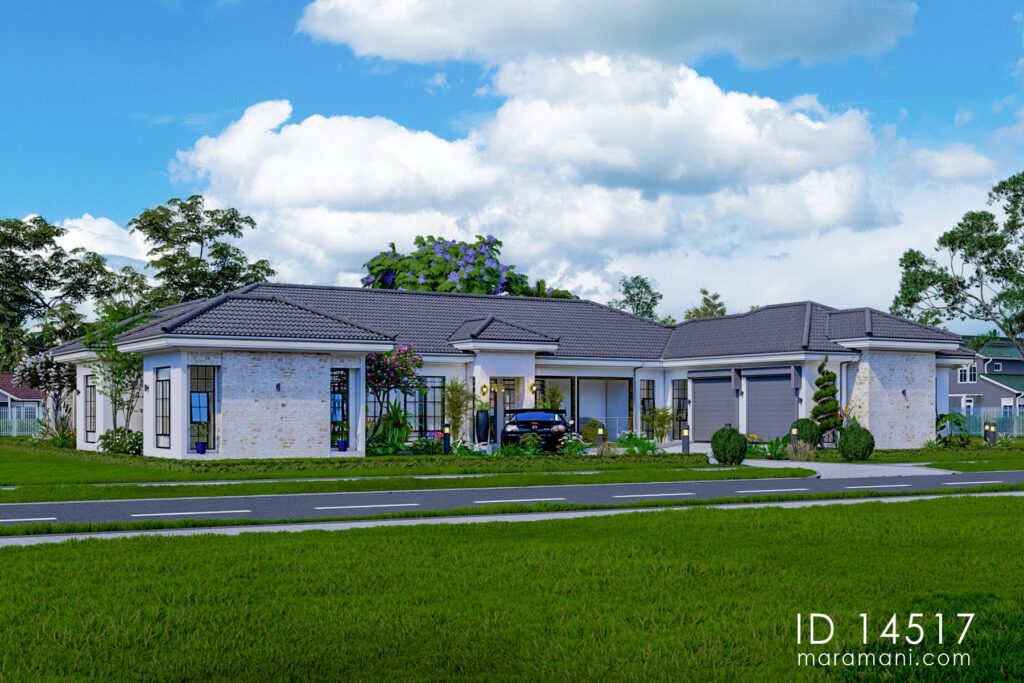
Building a 4-bedroom house is a significant investment, often representing one of the largest financial decisions a family or investor will make. Understanding the total cost, what factors influence pricing, and how to plan your budget effectively is crucial. At Stellar Estimate, we provide a comprehensive guide to building a 4-bedroom home in the United States, including labor, materials, design considerations, and tips to optimize costs. Why Knowing the Cost is Important Many homeowners underestimate the total cost of construction. Planning without proper estimates can lead to budget overruns, project delays, or compromises in quality. With a 4-bedroom house, the costs can range widely depending on the location, square footage, materials, and labor market. A detailed breakdown ensures that your investment aligns with your expectations and long-term plans. Factors That Influence the Cost to Build a 4-Bedroom House 1. Location Construction costs vary dramatically across the U.S.: 2. Square Footage A typical 4-bedroom home ranges from 2,000 to 3,000 square feet, but larger homes increase material needs, labor time, and finishing costs. For instance: 3. Materials The quality of materials affects the cost significantly: 4. Labor Costs Labor can account for 30–50% of total construction costs. This includes: 5. Home Design & Complexity A simple, rectangular layout is cheaper to build than a complex, multi-level design with custom features. Features such as vaulted ceilings, bay windows, and large garages increase labor and material costs. 6. Permits, Fees, and Utility Connections Building permits, inspections, and utility connections (water, gas, electricity, sewer) typically add 5–10% to the overall budget. Average Cost to Build a 4-Bedroom House in the U.S. Here’s a detailed cost breakdown based on house size, quality of materials, and labor: House Size Budget/Basic Build Mid-Range Build High-End Build 2,000 sq ft $250,000 – $300,000 $300,000 – $400,000 $400,000 – $500,000 2,500 sq ft $310,000 – $375,000 $375,000 – $500,000 $500,000 – $625,000 3,000 sq ft $375,000 – $450,000 $450,000 – $600,000 $600,000 – $750,000 Note: These figures exclude land costs, which vary by location. Detailed Cost Breakdown 1. Foundation (10–15% of Total Budget) Includes excavation, concrete, and reinforcement. Proper foundation work is critical for structural integrity. 2. Framing (15–20%) Framing includes the skeleton of the home—walls, floors, roof trusses, and beams. Lumber prices fluctuate, which can affect costs. 3. Exterior Work (10–15%) Covers roofing, siding, windows, and doors. High-quality materials improve durability but increase costs. 4. Interior Finishing (25–30%) Finishing includes drywall, flooring, painting, cabinets, countertops, and doors. This is usually the most expensive portion due to labor-intensive tasks and material variety. 5. Systems (15–20%) 6. Miscellaneous Expenses (5–10%) Covers permits, landscaping, driveways, and contingencies for unexpected costs. Cost-Saving Tips Local Considerations Depending on the state or city, costs differ: Frequently Asked Questions (FAQs) Q1: How long does it take to build a 4-bedroom house? A: Typically, 6–12 months, depending on weather, design complexity, and contractor efficiency. Q2: Are land costs included in estimates? A: No, these figures only cover construction costs. Land prices depend on location and lot size. Q3: Can I build a 4-bedroom house on a tight budget? A: Yes. Using standard materials, efficient floor plans, and avoiding custom designs can significantly lower costs. Q4: How do material choices affect cost? A: High-end materials such as hardwood flooring, granite countertops, and tile roofing increase costs, while standard materials reduce the budget without sacrificing durability. Q5: Should I hire a general contractor or manage the project myself? A: Hiring a general contractor ensures professional management, compliance with local codes, and access to trusted subcontractors. DIY management may save money but increases risk and complexity. Final Thoughts Building a 4-bedroom house is a long-term investment, but with careful planning and a clear understanding of costs, it can be achieved efficiently. From materials and labor to design and permits, every decision impacts your budget. At Stellar Estimate, we provide professional, detailed construction estimates to help you plan your dream home confidently, whether you’re building a standard suburban home or a luxury estate.
Price to Finish Drywall: Complete Guide by Stellar Estimate
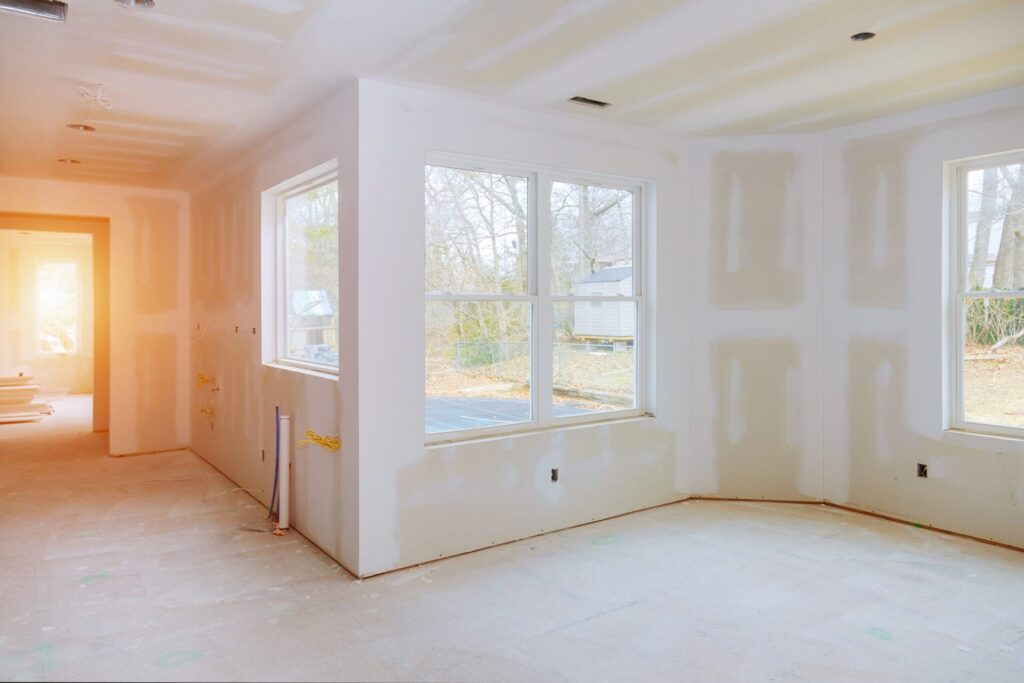
Drywall finishing is one of the most important steps in any construction or renovation project. It transforms rough, installed drywall panels into smooth, seamless walls that are ready for painting or decorating. Whether you’re a homeowner planning a remodel or a contractor managing a commercial project, understanding the price to finish drywall is critical for accurate budgeting and planning. At Stellar Estimate, we specialize in commercial and residential drywall projects across the United States. This guide will explain everything you need to know about drywall finishing, costs, influencing factors, and expert tips to manage your budget efficiently. What Is Drywall Finishing? Drywall finishing, also known as taping and mudding, is the process of sealing joints, corners, and screw holes on drywall panels. The main goal is to create a smooth, uniform surface that hides imperfections and prepares the wall for painting or other finishes. Drywall finishing typically involves four key steps: Finishing drywall is a skill-intensive process. A poor finish can result in uneven walls, visible seams, and a less professional appearance. Levels of Drywall Finish Drywall finishing is categorized into levels, based on the quality and smoothness of the finish. Each level has different cost implications: The higher the level, the smoother the wall, and the higher the price to finish drywall. Factors Affecting Drywall Finishing Costs Several key factors determine how much it will cost to finish drywall: 1. Square Footage Most drywall finishing is priced per square foot. Larger projects often benefit from economies of scale, while smaller rooms can cost more per square foot due to setup and cleanup time. 2. Number of Coats A standard finish usually involves three coats of joint compound. High-end finishes or textured walls may require extra coats, increasing both labor and material costs. 3. Labor Costs Experienced drywall finishers charge more, but their work ensures a professional, smooth wall. Labor costs vary by region and complexity of the project. 4. Wall Condition Uneven walls, damaged drywall, or ceilings with high elevations require extra work and tools, which increases the cost. 5. Project Type 6. Additional Services Average Price to Finish Drywall in the U.S. Drywall finishing costs vary depending on project size, location, and finish level. Here’s a general estimate: Project Size Cost per Sq. Ft. Typical Cost Range Small Room (100–200 sq. ft.) $2.50 – $4.50 $250 – $900 Medium Room (300–500 sq. ft.) $1.80 – $3.50 $540 – $1,750 Large Commercial Area (>1000 sq. ft.) $1.50 – $3.00 $1,500 – $3,000+ Note: Costs may vary depending on location, labor rates, and finish type. DIY vs Professional Drywall Finishing While small drywall repairs can be handled as DIY projects, professional finishing is recommended for: Hiring a professional ensures that walls are smooth, cracks are minimized, and your paint or wallpaper will look flawless. Tips to Reduce Drywall Finishing Costs Why Choose Stellar Estimate? At Stellar Estimate, we provide accurate, competitive, and transparent drywall finishing estimates for both commercial and residential projects. Our team ensures: Whether it’s a high-rise commercial building or a home renovation, Stellar Estimate is your trusted partner for drywall finishing across the United States. FAQs About Drywall Finishing Costs Q1: How long does drywall finishing take? A: Depending on the room size and finish level, it may take 2–5 days, including drying time between coats. Q2: Can drywall finishing cracks over time? A: Minor cracks can appear due to settling. Proper taping, mudding, and priming minimize this risk. Q3: Does finishing drywall include painting? A: No. Drywall finishing prepares the surface for paint but does not include painting itself. Q4: How much does a high-end (Level 5) finish cost? A: Level 5 finishes can cost $3.50–$6 per sq. ft., depending on project size and complexity. Q5: Can commercial projects be completed faster? A: Yes. Larger crews and specialized equipment can speed up finishing for commercial spaces while maintaining quality.
Cost of Footings and Slab: Ultimate U.S. Construction Guide
When it comes to constructing any building, footings and slabs form the critical foundation that ensures stability, safety, and durability. Whether you’re planning a residential home, commercial building, or industrial warehouse, understanding the cost of footings and slab is crucial for budgeting and project planning. At Stellar Estimate, we provide expert construction cost estimates across the United States. This guide dives deep into every factor affecting footing and slab costs, types of footings and slabs, regional pricing, commercial considerations, ways to save, and answers to frequently asked questions. This is a complete resource for homeowners, contractors, and commercial developers looking to make informed decisions. 1. Understanding Footings and Slabs Before we discuss costs, it’s important to understand what footings and slabs are, their purpose, and their types. Footings Footings are structural components that sit below your foundation to distribute building loads evenly into the soil. Without proper footings, structures risk settling, cracking, or failure over time. Types of Footings: Slabs Slabs are the flat concrete surfaces that form floors or bases for buildings. They are poured on top of footings and can be designed for residential or commercial loads. Common Slab Types: 2. Key Factors Affecting Footing and Slab Costs The cost of footings and slab varies significantly depending on multiple factors: a) Size and Thickness b) Material Quality c) Labor Costs d) Site Preparation e) Design Complexity f) Local Regulations and Permits 3. Average Footing and Slab Costs in the U.S. Here’s a general cost breakdown: Component Residential Cost Commercial Cost Notes Strip Footing $8–$15 per linear foot $12–$25 per linear foot Cost varies by depth and soil Pad Footing $10–$20 per pad $15–$35 per pad Larger pads for industrial buildings Slab-on-Grade $4–$8 per sq. ft $6–$12 per sq. ft Residential homes use 4–6 inch thick slabs Reinforced Slab $6–$12 per sq. ft $10–$20 per sq. ft Includes steel mesh or rebar Post-Tensioned Slab N/A $12–$20 per sq. ft Commercial and heavy-load buildings Note: These are averages. Costs may vary by state, city, material pricing, labor rates, and site complexity. 4. Regional Cost Differences Costs differ across the U.S.: 5. Ways to Reduce Footing and Slab Costs 6. Commercial Considerations For commercial construction, footings and slabs must accommodate heavier loads, equipment, and high-traffic areas. Key considerations: Stellar Estimate provides accurate commercial foundation cost estimates, including labor, materials, and specialized reinforcement calculations. 7. Detailed Cost Breakdown Example (Residential) Imagine a 2,000 sq. ft single-family home with a 6-inch slab and strip footings: Item Quantity Unit Cost Total Concrete Slab 2,000 sq. ft $6/sq. ft $12,000 Strip Footings 200 linear ft $12/linear ft $2,400 Rebar 2,000 sq. ft $1.50/sq. ft $3,000 Excavation & Grading 1 lot $2,000 $2,000 Labor 5 days crew $3,500/day $17,500 Total Estimate — — $37,900 Commercial projects would be significantly higher due to thicker slabs, more rebar, and additional permits. 8. Common Mistakes to Avoid FAQs – Cost of Footings and Slab Q1: What is the difference between footings and slabs? Footings support the building load below the foundation, while slabs are the concrete floors on top of or above the footings. Q2: How much does a typical slab cost per square foot? Residential: $4–$8 per sq. ft; Commercial: $6–$12 per sq. ft, depending on reinforcement and thickness. Q3: Does soil type affect the cost? Yes, rocky, sandy, or clay-heavy soil can increase excavation, reinforcement, and preparation costs. Q4: Are post-tensioned slabs worth the extra cost? Yes, for large commercial buildings or poor soil conditions. They reduce cracking and support heavy loads efficiently. Q5: How long does it take to pour footings and slab? Residential: 2–5 days including curing. Commercial: 1–2 weeks depending on size and complexity. Q6: Can I DIY slab installation? Possible for small residential projects, but commercial or multi-story slabs should be installed by licensed professionals. Q7: How can I save on costs? Plan site prep, buy materials in bulk, optimize slab thickness, and hire multiple contractors for quotes. Final Thoughts The cost of footings and slab depends on project size, materials, labor, soil conditions, and regional factors. Residential projects are simpler and cheaper, while commercial and industrial projects require specialized engineering, thicker slabs, and more reinforcement. At Stellar Estimate, we provide precise cost estimates for residential and commercial foundations across the United States. Investing in proper footings and slabs ensures long-term building stability, reduces repair costs, and provides peace of mind for decades.
2 Car Garage Dimensions: Complete Guide for Homeowners & Builders
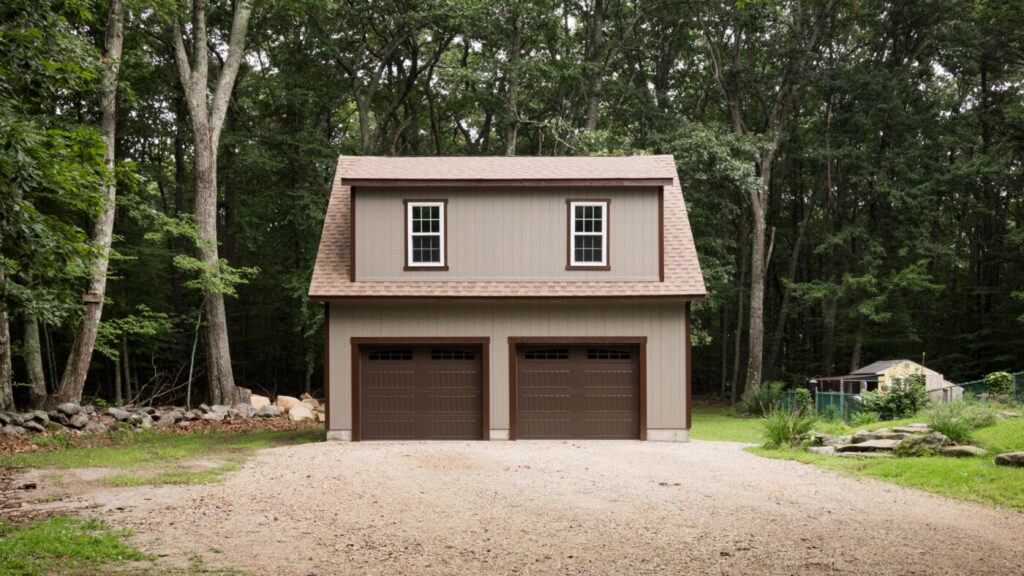
When planning a 2 car garage, knowing the proper garage dimensions is critical for comfort, safety, and long-term usability. At Stellar Estimate, we specialize in providing commercial and residential construction estimates across the United States. Whether you are building a garage for personal vehicles, storage, or commercial use, understanding standard dimensions, layout options, and design considerations is essential for maximizing space efficiency and functionality. In this guide, we cover everything from standard dimensions to garage door options, layout planning, and cost considerations. By the end, you’ll have a complete understanding of what makes a functional and efficient 2 car garage. Standard 2 Car Garage Dimensions The most important factor in designing a garage is ensuring it fits your vehicles comfortably while allowing room for storage and movement. Typical 2 car garage dimensions in the U.S. are: Example Layout: Feature Standard Size Vehicle Space (per car) 10–12 ft width × 20–24 ft depth Total Garage Width 20–24 ft Total Garage Depth 20–24 ft Garage Door Width 16 ft double door or 8–9 ft per single door Ceiling Height 8 ft recommended Factors Affecting Garage Dimensions Several factors influence the final 2 car garage size: 1. Vehicle Size The type of vehicles you own is the primary factor in garage dimensions. 2. Storage Needs Adding storage shelves, bicycles, seasonal equipment, or lawn tools will require extra width or depth. Plan at least 2–4 feet additional space to accommodate storage without crowding vehicles. 3. Workspace Requirements Many homeowners and businesses use garages as workshops or hobby spaces. Adding a workbench or small tool area requires a depth increase of 2–4 feet and proper lighting. 4. Commercial Considerations If your garage is part of a commercial project, such as a rental garage or auto service facility, planning for extra width and ceiling height is essential. Wider doors and deeper spaces allow multiple vehicles and smooth workflow. Garage Door Options Selecting the right garage door impacts garage dimensions and functionality: Tip: For commercial garages or oversized vehicles, consider higher and wider doors to avoid damage and improve accessibility. Popular 2 Car Garage Layouts Design Tips for 2 Car Garages Cost Considerations The cost of building a 2 car garage depends on several factors: Frequently Asked Questions (FAQs) Q1: What is the minimum size for a 2 car garage? A: 20 feet wide × 20 feet deep is the minimum. Adding a few extra feet ensures comfortable access. Q2: How tall should a 2 car garage ceiling be? A: Standard ceilings are 8 feet. For trucks, SUVs, or overhead storage, consider 9 feet. Q3: Can I fit two SUVs in a standard 2 car garage? A: Yes, but for larger SUVs, a width of 22–24 feet and depth of 22–24 feet is recommended. Q4: Should I add extra space for storage? A: Yes. Extra width or depth allows room for tools, bikes, and seasonal items. Q5: What garage door option is best for commercial garages? A: Wide, tall doors (10–12 feet) are recommended to accommodate large vehicles and ensure easy access. Q6: How much does a 2 car garage cost? A: Costs vary by materials, size, and location. Residential garages: $25k–$45k, Commercial: $40k–$70k. Accurate estimates can be provided by Stellar Estimate. Conclusion Understanding 2 car garage dimensions is essential for a functional, safe, and efficient space. From residential garages to commercial facilities, proper planning ensures that your garage fits vehicles comfortably, provides storage, and accommodates future needs. At Stellar Estimate, we provide professional construction estimates, layout advice, and project planning tailored to U.S. standards. Whether it’s for personal use or commercial projects, accurate planning and measurement ensure your garage is a valuable and long-lasting investment.
Cost of Sheetrocking: A Complete Commercial Guide
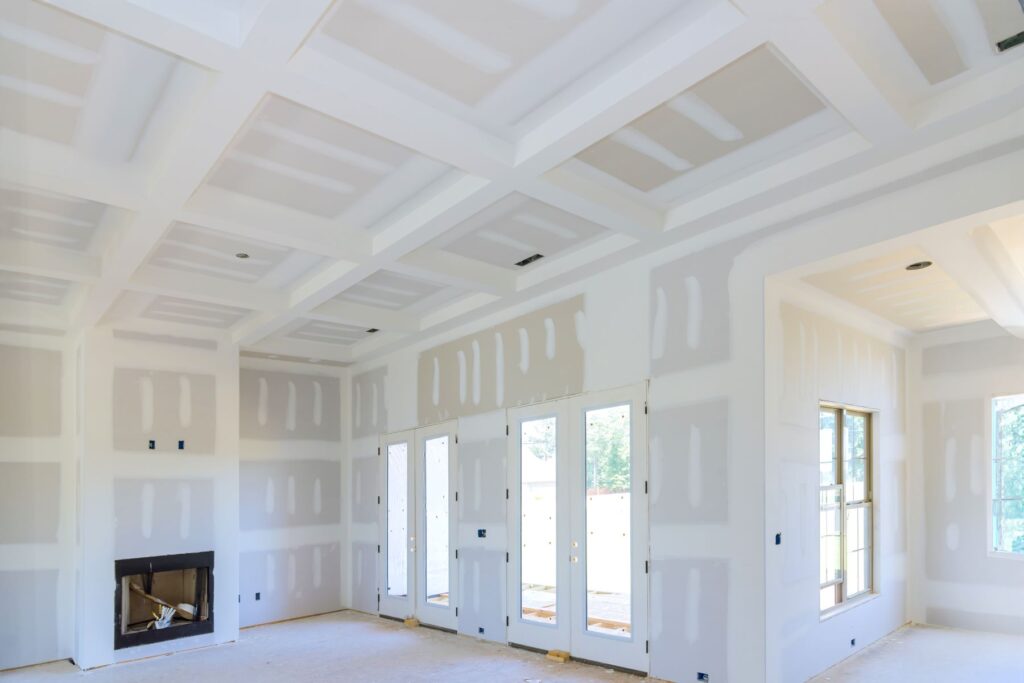
Sheetrock, also known as drywall, is a fundamental material in both residential and commercial construction. Understanding the cost of sheetrocking is essential for business owners, contractors, and facility managers planning renovation or new construction projects in the United States. At Stellar Estimate, we specialize in providing accurate cost estimates for commercial projects, helping clients budget efficiently while ensuring high-quality results. What is Sheetrock? Sheetrock is a brand name for drywall panels made of gypsum plaster sandwiched between thick sheets of paper. It is widely used to create walls and ceilings in both residential and commercial settings. Sheetrock provides: For commercial projects, choosing the right type of sheetrock is crucial for durability, fire codes compliance, and soundproofing. Factors Affecting the Cost of Sheetrocking The cost of sheetrocking can vary significantly based on several factors: Average Cost of Sheetrocking in the U.S. Commercial sheetrocking costs are generally calculated per square foot, including materials and labor. For a 2,000 sq. ft. office space, the total cost could range from $3,600 to $7,200, depending on materials and finish. Pro Tip: Always account for extra costs such as corner beads, screws, tape, and joint compound for a complete budget. Benefits of Professional Commercial Sheetrocking Hiring a professional sheetrocking company like Stellar Estimate offers multiple advantages: Investing in professional sheetrocking ensures that your commercial space not only looks polished but also meets safety and durability requirements. Related Keywords for SEO Frequently Asked Questions (FAQs) 1. How much does it cost to sheetrock a commercial building? Commercial sheetrocking costs range from $1.80 to $3.60 per square foot, including materials and labor. The final price depends on project size, materials, and finishing requirements. 2. Does sheetrocking include finishing and painting? Basic installation may not include painting. Full finishing—including taping, mudding, sanding, and priming—adds to the overall cost. 3. Can I save money by doing sheetrocking myself? DIY sheetrocking can save on labor but is not recommended for commercial projects. Improper installation can lead to safety issues and higher repair costs. 4. What types of sheetrock are best for commercial use? Fire-rated, moisture-resistant, and soundproof drywall are commonly used in commercial projects to meet building codes and functional needs. 5. How long does sheetrocking take for a commercial project? Project timelines vary based on size and complexity. A medium-sized office (2,000 sq. ft.) can take 3–5 days for installation and 2–3 more days for finishing. 6. Does the location affect sheetrocking cost? Yes. Labor rates and material prices differ across U.S. states. Major cities generally have higher costs than suburban or rural areas. Conclusion Understanding the cost of sheetrocking is crucial for commercial construction and renovation projects. At Stellar Estimate, we provide accurate and reliable commercial drywall estimates to help businesses plan budgets efficiently. By considering material types, labor, finishing, and project size, you can make informed decisions that ensure a professional, long-lasting finish.
Concrete Slab Cost: Ultimate Guide for Commercial & Residential Projects
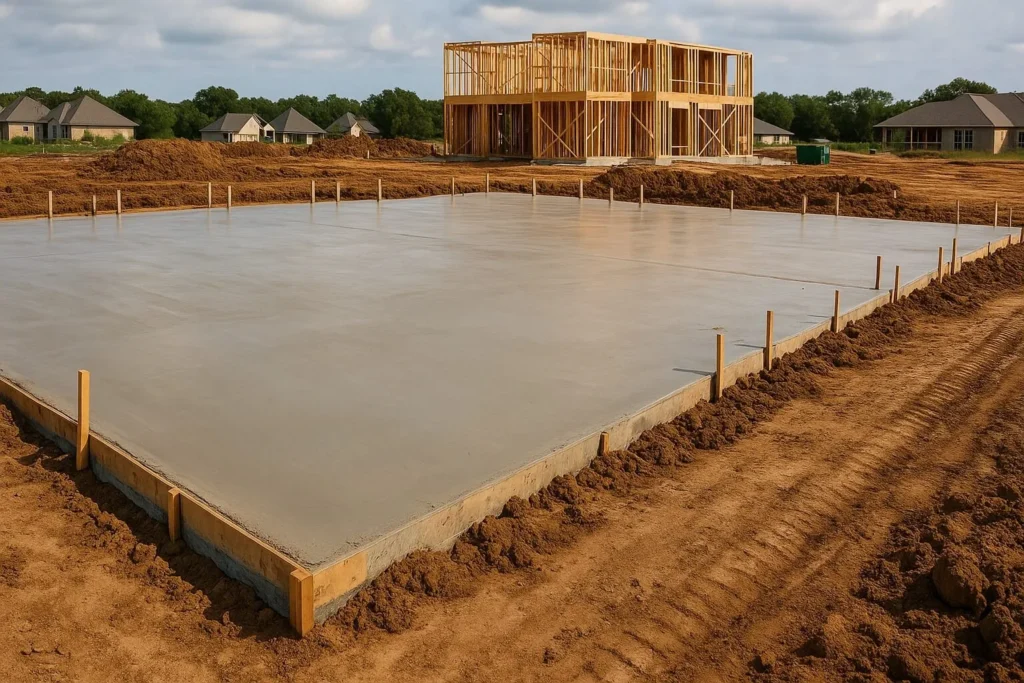
When planning any construction project, whether commercial or residential, understanding concrete slab cost is essential. Concrete slabs form the foundation of your construction, and estimating the cost accurately is crucial to budgeting, project planning, and avoiding delays. At Stellar Estimate, we specialize in commercial cost estimation and construction guidance. In this guide, we provide a comprehensive breakdown of concrete slab costs across the United States, factors that influence pricing, tips to save money, and answers to frequently asked questions. What is a Concrete Slab? A concrete slab is a flat, horizontal surface made by pouring concrete into a prepared form. It serves as the foundation for buildings, floors, patios, sidewalks, driveways, parking lots, and industrial facilities. Concrete slabs are favored for their: Concrete slabs are categorized into two main types: Key Factors Affecting Concrete Slab Cost The cost of a concrete slab depends on multiple variables. Understanding these factors helps in budgeting your project accurately. 1. Size and Thickness 2. Type of Concrete 3. Labor Costs Labor rates vary by region and project complexity. Commercial projects often require skilled labor for reinforced slabs and precision pouring. 4. Reinforcement Adding steel rebar or wire mesh increases durability, particularly for commercial or industrial slabs. Reinforced concrete slabs cost more but prevent cracking and sagging under heavy loads. 5. Site Preparation The condition of the site significantly impacts cost. Key considerations include: 6. Finishing Options Average Concrete Slab Cost in the United States Here’s a detailed overview of concrete slab pricing based on project type: Project Type Average Cost per Sq Ft Notes Residential Driveway $4 – $8 Standard 4-inch slab Residential Patio $5 – $10 Decorative finishes increase cost Commercial Parking Lot $6 – $12 Reinforced slab recommended Industrial Warehouse $8 – $15 High-strength, thick slabs Sidewalks $5 – $8 Standard smooth finish Stamped/Decorative Slab $10 – $18 Premium finishes increase labor Commercial vs. Residential Costs: Commercial concrete slabs generally cost 20–50% more than residential due to thickness, reinforcement, and professional installation requirements. State-Wise Concrete Slab Cost Estimates Concrete costs and labor vary by state due to material availability, labor rates, and building regulations. Here’s an approximate range: State Average Residential Slab Cost per Sq Ft Average Commercial Slab Cost per Sq Ft California $5 – $10 $10 – $18 New York $6 – $12 $12 – $20 Texas $4 – $9 $8 – $16 Florida $4 – $9 $8 – $15 Illinois $4 – $8 $7 – $14 These prices are estimates; actual costs depend on site conditions, slab design, and contractor rates. How to Save Money on Concrete Slabs Even with commercial projects, there are ways to reduce costs without compromising quality: Concrete Slab Installation Process Understanding the installation process can help estimate costs and avoid project delays: Benefits of Hiring Professionals Like Stellar Estimate Frequently Asked Questions (FAQs) 1. How much does a standard concrete slab cost? A 4-inch residential slab typically costs $4–$8 per sq ft, while commercial slabs start around $8–$15 per sq ft depending on thickness and reinforcement. 2. What thickness is best for commercial slabs? Commercial slabs range from 6–12 inches, depending on expected load and equipment. 3. Does reinforcement increase cost? Yes. Adding steel rebar or wire mesh strengthens the slab but increases material and labor costs. 4. Can I pour a concrete slab myself? DIY is possible for small residential projects, but commercial slabs require professional expertise for safety, reinforcement, and compliance. 5. How long does a concrete slab last? A well-installed slab can last 25–50 years or more, depending on maintenance and usage. 6. Do decorative finishes affect cost? Yes. Stamped, polished, or colored concrete increases labor and materials, raising the overall cost per sq ft. 7. How can I lower concrete slab costs for commercial projects? Accurate measurements, standard concrete mixes, site prep, and comparing contractors can reduce expenses without compromising quality. 8. Why is commercial concrete more expensive than residential? Commercial slabs are thicker, reinforced, and require skilled labor, which raises both material and installation costs. Conclusion Estimating concrete slab cost is critical for both commercial and residential construction. By understanding the factors that affect pricing—including slab size, thickness, reinforcement, labor, and site preparation—you can plan your project efficiently. At Stellar Estimate, we specialize in providing detailed cost estimates, commercial project guidance, and professional recommendations to ensure your concrete slab is durable, safe, and cost-effective. Whether you’re building a home, office, warehouse, or parking lot, having accurate cost information upfront can save you thousands in the long run.
