
Building a home is a monumental decision, both emotionally and financially. Whether you’re building your dream house or a rental property, the cost of construction in Texas can vary widely based on several factors. From the location of your build to the materials and labor you choose, understanding the factors that contribute to your home’s construction cost is essential for budgeting effectively. In this article, we will take an in-depth look at how to calculate home construction costs in Texas, with helpful insights and breakdowns, so you can get an accurate estimate and plan accordingly.
Understanding the Key Factors Affecting Home Construction Costs in Texas
The first step in calculating home construction costs is understanding the various factors that influence these costs. The state of Texas is large, with a wide range of factors that can impact how much it will cost to build a home in different regions. Let’s take a closer look at the key factors involved.
Location in Texas
-
- Urban vs. Rural: Building a home in a metropolitan area like Austin, Dallas, Houston, or San Antonio will generally be more expensive than building in rural areas. Urban locations tend to have higher labor costs, more expensive materials, and higher permit fees. The demand for construction in urban areas leads to increased competition for materials and labor, driving up costs.
-
- Region-Specific Conditions: Areas with specific conditions such as coastal regions (near the Gulf of Mexico) or flood-prone zones may require additional precautions, like stronger foundations, water-resistant materials, or floodproofing measures, all of which can drive up construction costs.
Size of the Home
-
- Square Footage: The size of your home is one of the most straightforward factors to consider when estimating the cost of construction. A larger home will, of course, cost more to build, but the cost per square foot can decrease as the size of the home increases.
-
- Design Complexity: A larger home with a more complex design (multiple stories, unique architectural features, or custom layouts) will also increase the cost compared to a more basic, straightforward design.
Construction Type and Materials
-
- Materials: The type of materials you use for the structure, interior, and finishes will significantly impact the overall cost. Basic materials, such as vinyl siding and laminate countertops, are less expensive than custom materials like marble countertops or stone facades.
-
- Energy-Efficiency: High-performance insulation, energy-efficient windows, and green building materials can reduce your energy bills in the long term but can increase upfront construction costs.
Labor Costs
-
- Labor Availability: Labor costs in Texas vary by location and demand. Urban areas with a high demand for skilled workers can have higher labor costs, while rural regions may have more affordable rates but may also have fewer options for contractors.
-
- Skill Level: Skilled labor (like electricians, plumbers, and framers) will often cost more due to the expertise required. Similarly, contractors with more experience or specialized skills in custom builds will charge more than general contractors.
Permits and Regulations
-
- Local Permits: Every area in Texas will have different regulations when it comes to permits and fees. Large cities tend to have more complex permit processes, which can add extra time and costs to your project.
-
- Zoning Laws: Make sure that your land is properly zoned for residential construction, as changing zoning laws or regulations can add unforeseen costs or delays.
Utilities and Infrastructure
-
- Utility Hookups: Connecting your home to local utilities such as water, sewage, and electricity can be an additional cost that varies based on your location. In rural areas, running utility lines to a new home can be expensive.
-
- Septic Systems and Well Drilling: In areas where city utilities are not available, you may need a septic system and/or a private well, which can add significant costs.
Estimating the Cost Per Square Foot in Texas
To provide a clearer understanding of how much it costs to build a house in Texas, let’s look at some average costs per square foot. The cost of construction typically ranges between $100 to $300 per square foot, depending on the factors mentioned earlier. Here’s a breakdown of what you might expect:
| Home Type | Cost Per Square Foot | Estimated Total for a 2,500 sq. ft. Home |
|---|---|---|
| Basic Construction | $100 – $150 | $250,000 – $375,000 |
| Mid-Range Construction | $150 – $200 | $375,000 – $500,000 |
| High-End Construction | $200 – $300+ | $500,000 – $750,000+ |
-
- Basic Construction: This price range typically includes standard building materials like vinyl siding, standard roofing, and basic finishes inside the house. It may also include a simple floor plan with fewer architectural details.
-
- Mid-Range Construction: This range allows for higher-quality materials, such as brick or stone exteriors, upgraded interior finishes like granite countertops, and additional custom features in the home’s layout.
-
- High-End Construction: For those looking for luxury builds, this price range includes premium materials, custom design work, high-end appliances, energy-efficient systems, and high-level finishes throughout the home.
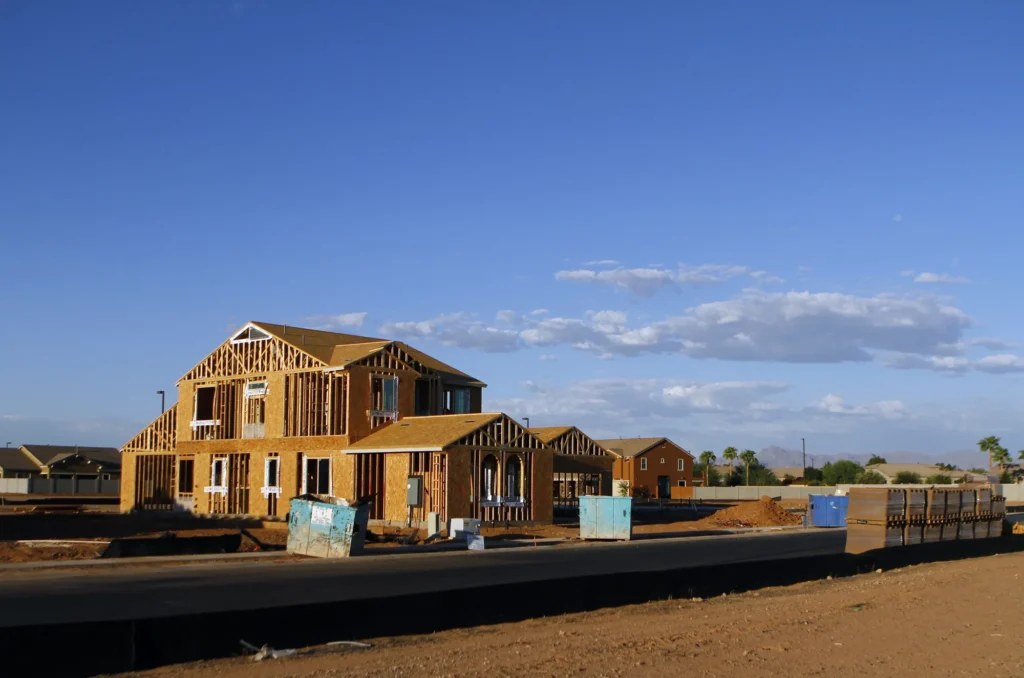
How to Calculate Your Construction Costs in Texas: Step-by-Step Process
Now that we have a clearer idea of the factors involved in home construction costs, let’s break down the process into actionable steps to estimate the total cost of your project.
Step 1: Determine the Square Footage of Your Home
-
- The first step in any construction project is determining the square footage of the home you plan to build. Measure the dimensions of each floor of the home and calculate the total area. You can then multiply that by the estimated cost per square foot to get an overall cost range.
Step 2: Choose Your Materials and Design
-
- Once you know your square footage, decide on the materials and design elements you want. A modern design with eco-friendly materials will cost more, while a more standard design with basic materials may fall on the lower end of the cost spectrum.
Step 3: Account for Additional Costs
-
- Remember to factor in additional expenses such as:
-
- Site Preparation: Clearing the land, leveling the ground, and preparing for construction.
-
- Permits and Fees: These will vary based on your location and the complexity of the build.
-
- Land: The cost of land is often one of the most significant expenses in homebuilding, particularly in urban areas.
-
- Utilities: Hooking up water, electricity, and sewage services can be an additional expense, especially if you’re building in a rural area.
-
- Remember to factor in additional expenses such as:
Step 4: Get Multiple Quotes
-
- Reach out to several contractors to get estimates for labor costs. Contractors will consider your plans, materials, and location to provide an accurate quote for your project.
Step 5: Build a Contingency Budget
-
- Construction projects often come with unexpected costs. It’s wise to have a contingency budget of 10-15% of your total budget to cover any unforeseen expenses during the build.
Common Costs Breakdown in Home Construction in Texas
To give you a more comprehensive understanding of where the money goes, here’s a detailed breakdown of typical home construction costs:
| Cost Category | Estimated Percentage of Total Cost | Estimated Cost for 2,500 sq. ft. Home |
|---|---|---|
| Site Preparation | 5% – 10% | $12,500 – $25,000 |
| Foundation | 10% – 15% | $25,000 – $37,500 |
| Framing | 15% – 20% | $37,500 – $50,000 |
| Plumbing & Electrical | 10% – 15% | $25,000 – $37,500 |
| Roofing | 5% – 10% | $12,500 – $25,000 |
| Interior Finishes | 20% – 30% | $50,000 – $75,000 |
| Exterior Finishes | 5% – 10% | $12,500 – $25,000 |
| Labor Costs | 25% – 40% | $62,500 – $100,000 |
Conclusion: Calculating the Cost of Building a Home in Texas
Calculating the cost of building a home in Texas requires a comprehensive understanding of various factors, including location, size, materials, labor, and additional costs. By carefully estimating these expenses and seeking professional advice, you can arrive at a realistic budget for your construction project.
Make sure to factor in all aspects of the build—from land acquisition and permits to final finishes and landscaping. With the right approach and planning, you can ensure that your new home meets your expectations and stays within budget.
By working closely with contractors and staying informed about the factors that influence construction costs, you can navigate the home-building process confidently and make your dream home a reality without financial surprises along the way.

