When planning any construction project, whether commercial or residential, understanding concrete slab cost is essential. Concrete slabs form the foundation of your construction, and estimating the cost accurately is crucial to budgeting, project planning, and avoiding delays.
At Stellar Estimate, we specialize in commercial cost estimation and construction guidance. In this guide, we provide a comprehensive breakdown of concrete slab costs across the United States, factors that influence pricing, tips to save money, and answers to frequently asked questions.
What is a Concrete Slab?
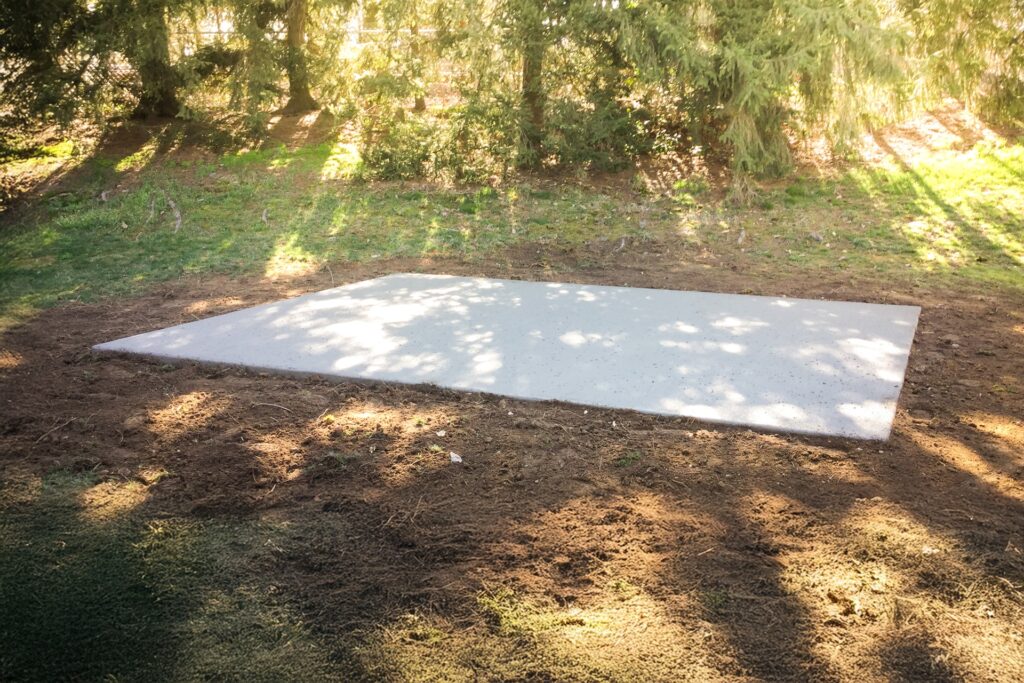
A concrete slab is a flat, horizontal surface made by pouring concrete into a prepared form. It serves as the foundation for buildings, floors, patios, sidewalks, driveways, parking lots, and industrial facilities. Concrete slabs are favored for their:
- Durability: Resistant to wear and weathering.
- Strength: Supports heavy loads in commercial spaces.
- Longevity: Can last 25–50 years with proper maintenance.
- Low Maintenance: Requires minimal upkeep compared to wood or asphalt.
Concrete slabs are categorized into two main types:
- Residential Slabs: Typically 4–6 inches thick, used for homes, driveways, patios, and walkways.
- Commercial/Industrial Slabs: Usually 6–12 inches thick, reinforced with steel, designed to support heavy machinery, vehicles, or warehouse storage.
Key Factors Affecting Concrete Slab Cost
The cost of a concrete slab depends on multiple variables. Understanding these factors helps in budgeting your project accurately.
1. Size and Thickness
- Size: The larger the slab, the more concrete and labor are required, increasing costs.
- Thickness: Residential slabs are usually 4 inches, while commercial slabs may require 6–12 inches or more. Thicker slabs provide greater durability and load-bearing capacity.
2. Type of Concrete
- Standard Concrete: Ideal for driveways, sidewalks, and small patios.
- High-Strength Concrete: Recommended for commercial floors, warehouses, or industrial use.
- Specialty Concrete: Includes fiber-reinforced, decorative, or stamped concrete. These cost more due to additional materials and labor.
3. Labor Costs
Labor rates vary by region and project complexity. Commercial projects often require skilled labor for reinforced slabs and precision pouring.
4. Reinforcement
Adding steel rebar or wire mesh increases durability, particularly for commercial or industrial slabs. Reinforced concrete slabs cost more but prevent cracking and sagging under heavy loads.
5. Site Preparation
The condition of the site significantly impacts cost. Key considerations include:
- Excavation and grading of soil.
- Removal of rocks, debris, and vegetation.
- Soil stabilization or compacting.
6. Finishing Options
- Basic Finish: Smooth, brushed surface (standard for commercial and residential slabs).
- Decorative Finish: Stamped, stained, or polished concrete increases both labor and material costs.
- Sealing: Protects against water and chemical damage, adding to overall expenses.
Average Concrete Slab Cost in the United States
Here’s a detailed overview of concrete slab pricing based on project type:
| Project Type | Average Cost per Sq Ft | Notes |
| Residential Driveway | $4 – $8 | Standard 4-inch slab |
| Residential Patio | $5 – $10 | Decorative finishes increase cost |
| Commercial Parking Lot | $6 – $12 | Reinforced slab recommended |
| Industrial Warehouse | $8 – $15 | High-strength, thick slabs |
| Sidewalks | $5 – $8 | Standard smooth finish |
| Stamped/Decorative Slab | $10 – $18 | Premium finishes increase labor |
Commercial vs. Residential Costs:
Commercial concrete slabs generally cost 20–50% more than residential due to thickness, reinforcement, and professional installation requirements.
State-Wise Concrete Slab Cost Estimates
Concrete costs and labor vary by state due to material availability, labor rates, and building regulations. Here’s an approximate range:
| State | Average Residential Slab Cost per Sq Ft | Average Commercial Slab Cost per Sq Ft |
| California | $5 – $10 | $10 – $18 |
| New York | $6 – $12 | $12 – $20 |
| Texas | $4 – $9 | $8 – $16 |
| Florida | $4 – $9 | $8 – $15 |
| Illinois | $4 – $8 | $7 – $14 |
These prices are estimates; actual costs depend on site conditions, slab design, and contractor rates.
How to Save Money on Concrete Slabs
Even with commercial projects, there are ways to reduce costs without compromising quality:
- Accurate Measurements: Avoid over-pouring by measuring the area precisely.
- Select Standard Concrete: Specialty mixes may not be necessary for certain applications.
- DIY Site Preparation: Remove debris, grass, and rocks yourself before contractors arrive.
- Limit Decorative Finishes: Focus on function over aesthetics for cost-sensitive projects.
- Compare Multiple Contractors: Getting multiple quotes ensures competitive pricing.
Concrete Slab Installation Process
Understanding the installation process can help estimate costs and avoid project delays:
- Site Preparation: Clear, grade, and level the area.
- Formwork Installation: Construct wooden or metal forms to shape the slab.
- Reinforcement Placement: Install rebar or wire mesh for strength.
- Concrete Pouring: Pour and spread the concrete evenly within forms.
- Leveling and Finishing: Smooth or brush the surface; apply decorative treatments if needed.
- Curing: Allow the concrete to cure for 7–28 days for maximum strength.
- Sealing (Optional): Apply a sealer to protect against moisture, chemicals, and staining.
Benefits of Hiring Professionals Like Stellar Estimate
- Accurate cost estimation for commercial and residential projects.
- Expert advice on concrete mix, thickness, and reinforcement.
- Ensures compliance with local building codes.
- Minimizes errors, cracks, and delays during installation.
- Provides transparent pricing to help with budgeting.
Frequently Asked Questions (FAQs)
1. How much does a standard concrete slab cost?
A 4-inch residential slab typically costs $4–$8 per sq ft, while commercial slabs start around $8–$15 per sq ft depending on thickness and reinforcement.
2. What thickness is best for commercial slabs?
Commercial slabs range from 6–12 inches, depending on expected load and equipment.
3. Does reinforcement increase cost?
Yes. Adding steel rebar or wire mesh strengthens the slab but increases material and labor costs.
4. Can I pour a concrete slab myself?
DIY is possible for small residential projects, but commercial slabs require professional expertise for safety, reinforcement, and compliance.
5. How long does a concrete slab last?
A well-installed slab can last 25–50 years or more, depending on maintenance and usage.
6. Do decorative finishes affect cost?
Yes. Stamped, polished, or colored concrete increases labor and materials, raising the overall cost per sq ft.
7. How can I lower concrete slab costs for commercial projects?
Accurate measurements, standard concrete mixes, site prep, and comparing contractors can reduce expenses without compromising quality.
8. Why is commercial concrete more expensive than residential?
Commercial slabs are thicker, reinforced, and require skilled labor, which raises both material and installation costs.
Conclusion
Estimating concrete slab cost is critical for both commercial and residential construction. By understanding the factors that affect pricing—including slab size, thickness, reinforcement, labor, and site preparation—you can plan your project efficiently.
At Stellar Estimate, we specialize in providing detailed cost estimates, commercial project guidance, and professional recommendations to ensure your concrete slab is durable, safe, and cost-effective. Whether you’re building a home, office, warehouse, or parking lot, having accurate cost information upfront can save you thousands in the long run.
