
How Much Does It Cost to Repaint a House Stellar Estimate
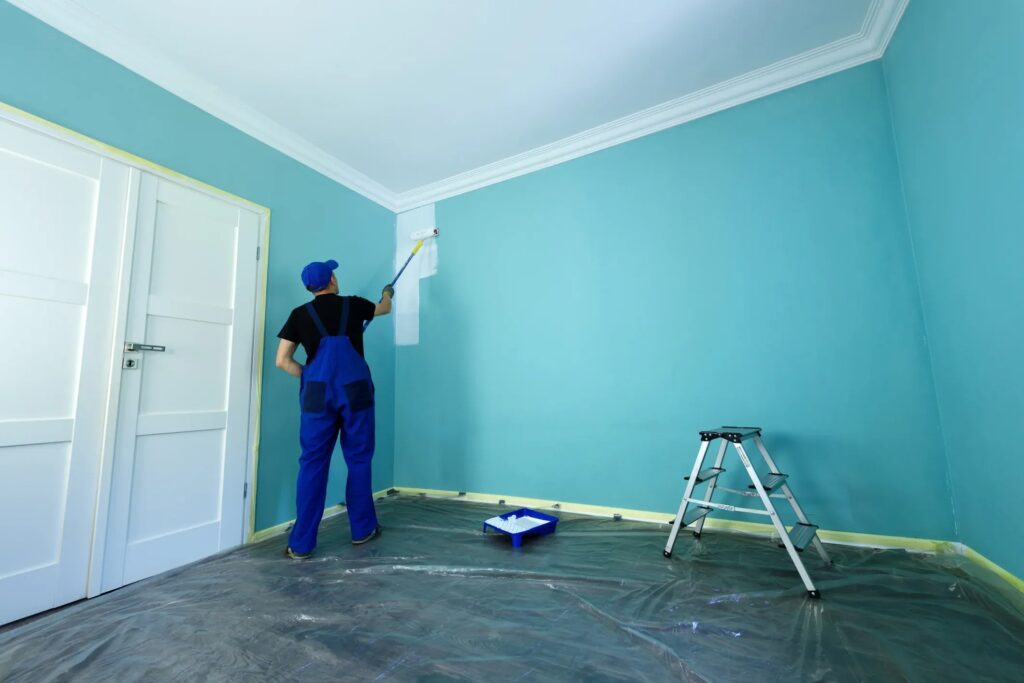
Repainting a house is one of the most effective ways to improve its appearance, protect the structure, and increase property value. But one of the most common questions homeowners ask is: “How much does it cost to repaint a house?” At Stellar Estimate, we provide accurate, commercial-grade cost analysis for both residential and commercial painting projects across the United States. In this guide, we’ll break down everything you need to know about painting costs, factors that affect pricing, budgeting tips, and FAQs. Whether you’re looking to refresh your home, prepare it for sale, or maintain a commercial property, understanding the costs upfront ensures a smooth painting process without unexpected surprises. Factors That Affect House Painting Costs Several variables influence the total cost of repainting a home. Knowing these factors will help you get a more accurate estimate. 1. Home Size The square footage of your home directly affects the amount of paint, supplies, and labor required. Larger homes require more paint, more labor hours, and sometimes specialized equipment like scaffolding or lifts, especially for multi-story buildings. 2. Exterior vs. Interior Painting Exterior painting involves weather-resistant paints, ladders, scaffolding, and sometimes power washing or repairing siding. Average costs: Interior painting focuses on walls, ceilings, trims, and sometimes doors or cabinetry. Average costs: The type of surface also matters. Rough surfaces like stucco or brick require more paint and labor compared to smooth surfaces like drywall. 3. Paint Quality and Brand Paint quality has a big impact on cost and durability. Premium paints last longer, resist fading, and require fewer coats. Pro Tip: Investing in high-quality paint saves money in the long term because it reduces the frequency of repainting. 4. Surface Preparation Proper preparation ensures paint adheres well and lasts longer. Preparation may include: Cost impact: $500–$2,000 depending on surface condition and home size. 5. Labor Costs Labor often accounts for 60–70% of painting costs. Hiring experienced painters ensures a smooth, professional finish. Hourly rates vary by region: Labor costs also rise for multi-story homes or complex architectural features. 6. Additional Costs Other factors can influence total costs: Average Painting Cost by Home Size Home Size Exterior Cost Interior Cost Total Cost Estimate Small (1,000–1,500 sq. ft.) $1,500–$3,000 $1,000–$2,500 $2,500–$5,500 Medium (1,500–2,500 sq. ft.) $3,500–$6,500 $2,500–$5,000 $6,000–$11,500 Large (2,500+ sq. ft.) $6,500–$12,000 $4,000–$8,000 $10,500–$20,000+ DIY vs. Hiring Professionals While painting yourself might seem cheaper, DIY projects often come with hidden costs: Hiring professionals like Stellar Estimate ensures: Commercial clients can especially benefit from professional painters due to regulations, large-scale surfaces, and specialized coatings. Ways to Save on Painting Costs Commercial Painting Considerations Commercial properties often require specialized services: Stellar Estimate provides commercial painting estimates with a focus on efficiency, durability, and ROI. Whether it’s office buildings, retail spaces, or warehouses, our team ensures a professional finish every time. How Long Does It Take to Repaint a House? Proper planning is essential to avoid delays, especially for commercial clients who cannot disrupt business operations. House Painting Cost Calculator For a rough estimate, consider these formulas: Exterior Cost = Square Footage × Paint Cost per Sq. Ft. + Labor Interior Cost = Square Footage × Paint Cost per Sq. Ft. + Labor Example: 2,000 sq. ft. home interior, $3 per sq. ft. paint and $4,000 labor → Total ≈ $10,000 Frequently Asked Questions (FAQs) 1. How often should I repaint my house? Exteriors: Every 5–10 years depending on paint quality and weather.Interiors: Every 5–7 years or sooner if walls show wear. 2. Is it cheaper to paint a house myself? DIY can save money but requires skill and equipment. Mistakes often cost more than hiring professionals. 3. Does painting cost include materials? Professional quotes usually include paint, primer, and supplies, but always confirm before hiring. 4. What paint brands last the longest? Top-rated brands in the U.S. include Sherwin-Williams, Benjamin Moore, Behr, and PPG. 5. Can I change the color drastically? Yes, but it may require multiple primer layers, which increases labor and material costs. 6. Do commercial projects cost more than residential? Yes, due to larger areas, multiple stories, compliance requirements, and specialized coatings. Conclusion Repainting a house is a substantial investment that pays off in aesthetics, protection, and property value. Costs vary depending on home size, paint quality, labor, and preparation. By understanding these factors, homeowners and commercial clients can budget effectively and achieve high-quality results. Stellar Estimate provides transparent, professional painting estimates for both residential and commercial clients across the United States. Our team ensures your project is completed efficiently, within budget, and with lasting results. Expert Tip: Always prioritize quality over cheap options—it saves money long-term and ensures your home or business always looks its best.
Drywall Installation Cost: Ultimate Guide for Commercial and Residential Projects
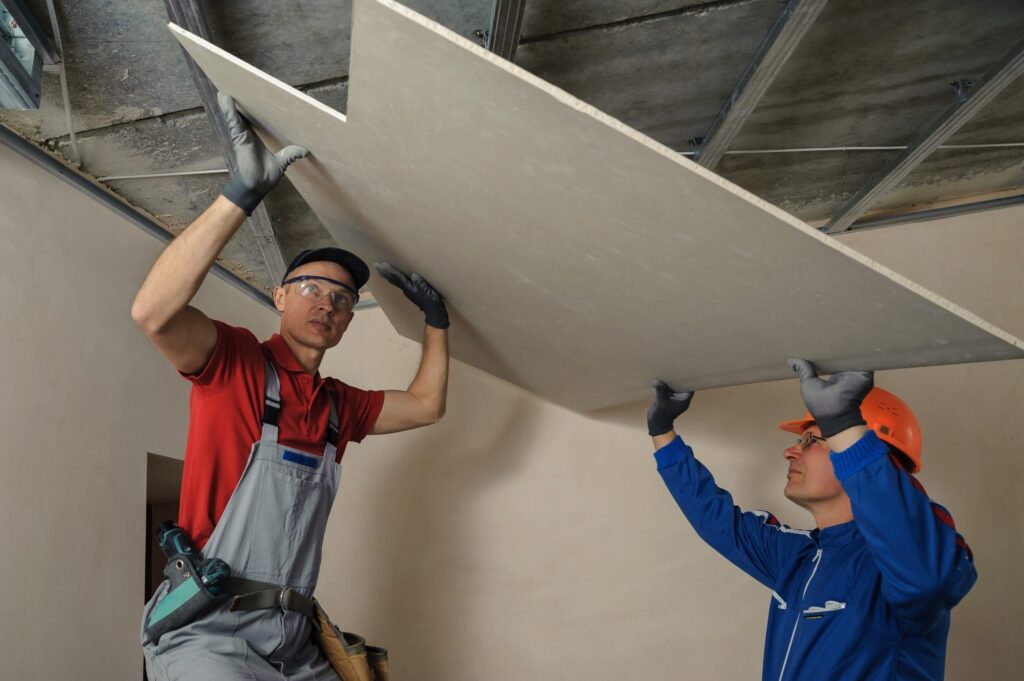
Drywall installation is one of the most critical steps in construction and renovation, providing a smooth, durable surface for walls and ceilings. Whether you are planning a residential remodel or a large-scale commercial project, understanding drywall installation cost is essential for budgeting, planning, and choosing the right contractor. At Stellar Estimate, we specialize in providing detailed and accurate drywall cost estimates for commercial projects across the United States. Our goal is to help property owners, builders, and contractors make informed decisions while maintaining quality and efficiency. What Is Drywall and Why Is It Important? Drywall, also called gypsum board or sheetrock, is a panel made of gypsum plaster sandwiched between thick sheets of paper. It is the most common material for creating interior walls and ceilings in both residential and commercial buildings. Key benefits of drywall include: Installing drywall requires skill and experience, especially for commercial properties where walls may need to meet specific fire, safety, or acoustic standards. Factors Affecting Drywall Installation Cost Drywall installation cost is not fixed; it depends on a variety of factors. Here’s a detailed look: 1. Type of Drywall 2. Size and Scope of the Project 3. Labor Costs 4. Additional Services 5. Geographic Location Average Drywall Installation Cost in the U.S. Here’s a detailed breakdown: Component Average Cost (USD) Notes Drywall Sheet (4×8 ft) $12 – $25 Standard 1/2″ thickness Per Square Foot $1.50 – $3 Includes hanging and finishing Labor $40 – $70/hour Experienced installers Commercial Projects $2 – $4/sq.ft Depending on complexity and materials Texturing & Painting $1.50 – $3/sq.ft Optional, based on finish Old Drywall Removal $1 – $2/sq.ft Required for renovation projects Example: Installing drywall in a 12×12 ft residential room may cost $400–$800. A 5,000 sq.ft. commercial office could cost $10,000–$20,000 depending on materials, labor, and finishes. Detailed Cost Factors for Commercial Drywall Projects Commercial projects are more complex than residential installations. Costs include: How to Estimate Your Drywall Project Cost Step 1: Measure Your Space Step 2: Determine Material Requirements Step 3: Labor Calculation Step 4: Add Finishing & Additional Services Tips to Reduce Drywall Installation Cost At Stellar Estimate, we provide detailed commercial estimates for drywall installation, helping you budget effectively and choose cost-efficient solutions. Regional Drywall Installation Cost Variations Region Cost per sq.ft (Residential) Cost per sq.ft (Commercial) Northeast $2 – $3 $2.50 – $4 Midwest $1.50 – $2.50 $2 – $3.50 South $1.50 – $2 $2 – $3 West Coast $2 – $3.50 $3 – $4 FAQs About Drywall Installation Cost 1. What affects drywall installation cost the most? Labor, type of drywall, project size, and finishing options are the main cost drivers. 2. How much does a 10×12 room cost to drywall? A standard room costs $350–$800, including materials and labor. 3. Is drywall installation included in remodeling costs? Not always. Check your contractor’s estimate; finishing or painting may be additional. 4. Can I install drywall myself? Yes, for small projects. Commercial projects require professional installers for compliance and quality. 5. What is the lifespan of drywall? Properly installed drywall lasts 50–80 years. Water damage, mold, or physical damage may reduce lifespan. 6. How long does drywall installation take? 7. Do I need permits for commercial drywall installation? Some states require permits for large-scale commercial renovations. Professional contractors handle this process. Why Choose Stellar Estimate? Stellar Estimate offers: Investing in professional drywall installation ensures durability, quality, and compliance. Contact Stellar Estimate today for a detailed estimate and expert guidance for your next project.
Building Construction Cost Estimator in California: Why Stellar Estimate is Your Best Choice
Building Construction Cost Estimator in California: Why Stellar Estimate is Your Best Choice If you’re planning a building project in California, accurate cost estimation is crucial for staying on budget and ensuring that your project runs smoothly. Whether you’re building a residential home, a commercial office, or an industrial facility, understanding and managing the costs associated with the project is vital. At Stellar Estimate, we provide reliable, precise, and comprehensive construction cost estimates tailored to California’s unique building landscape. In this article, we’ll dive deep into why you need a building construction cost estimator, the key factors affecting costs in California, how an estimator works, and why Stellar Estimate should be your go-to service. What is a Building Construction Cost Estimator? A building construction cost estimator is a tool or service used to calculate the total cost of a construction project. It takes into account a variety of factors, including labor, materials, overhead, and location, to give an accurate projection of how much the project will cost. Stellar Estimate uses advanced algorithms, real-time pricing, and historical data to generate precise estimates for any construction project in California. Whether you’re a developer, contractor, architect, or homeowner, utilizing an estimator can save you time, reduce the risk of budget overruns, and help you manage your project more efficiently. Why You Need a Construction Cost Estimator in California High Construction Costs in California California is one of the most expensive states to build in due to a variety of factors such as labor shortages, expensive materials, and strict building codes. The state’s demand for both residential and commercial real estate continues to rise, driving up construction costs. A building construction cost estimator in California helps you stay on top of these rising costs, ensuring that you don’t face any financial surprises during your project. Precise Budgeting and Cost Control Accurate cost estimation ensures that you have a realistic budget from the very beginning. Whether you’re building a single-family home or a commercial property, a building construction cost estimator can break down your project into manageable cost categories, including labor, materials, and overhead, giving you the information you need to keep the project on track financially. Risk Management and Planning Estimating costs early on helps identify potential risks and allows you to mitigate them before they turn into costly issues. A cost estimator can reveal areas where you might be overspending or where material shortages could delay the project, so you can address these problems ahead of time. Key Factors Affecting Building Construction Costs in California Location Matters The cost of construction can vary greatly depending on where you’re building in California. Urban centers like San Francisco, Los Angeles, and San Diego often have higher construction costs due to the high demand for labor, materials, and limited space. In contrast, rural or suburban areas may offer lower costs, but they can come with their own set of challenges, such as limited access to building materials or skilled labor. Location Labor Costs Material Costs Permit Costs San Francisco $60–$70 per hour $150 per sq. ft. $4,000–$5,000 Los Angeles $50–$60 per hour $120 per sq. ft. $3,000–$4,500 Rural Areas $35–$45 per hour $100 per sq. ft. $1,500–$3,000 Material Prices Building materials are one of the largest factors in any construction project. In California, the cost of materials can fluctuate due to various factors such as demand, weather-related disruptions, and supply chain issues. For example, lumber prices have seen significant volatility in recent years, and this trend is expected to continue. Material Price per Unit 2019 Price 2021 Price Lumber (per 1,000 board feet) $350 $500 $1,000 Steel (per ton) $800 $900 $1,200 Concrete (per cubic yard) $150 $160 $190 Labor Costs Labor costs in California are significantly higher than in other states, particularly in large metropolitan areas. Skilled tradespeople, including electricians, plumbers, and carpenters, are in high demand. The high labor costs in California can increase the overall cost of construction by a considerable margin. Trade Average Hourly Wage Region Carpenter $40–$55 per hour Major Cities Electrician $45–$60 per hour Major Cities Plumber $50–$65 per hour Major Cities Building Type The type of building you plan to construct significantly impacts the overall cost. Residential homes, commercial office buildings, and industrial structures each have different cost structures. For example, industrial buildings typically cost less per square foot than office buildings due to differences in materials and design complexity. Building Type Cost per Square Foot Factors Influencing Cost Residential $200–$400 Design, location, size Commercial $300–$600 Complexity, materials, location Industrial $150–$350 Materials, scale, machinery How Does a Building Construction Cost Estimator Work? A construction cost estimator takes into account various cost factors, including materials, labor, and overheads, to produce a comprehensive and accurate cost estimate. At Stellar Estimate, our process involves analyzing historical data, considering current market prices, and applying these to your specific project needs. Here’s an overview of how the process works: Material Costs (M): Labor Costs (L): Overhead (O): Profit Margin (P): Total Construction Cost Formula: C=M+L+O+PC = M + L + O + PC=M+L+O+P Where: Sample Estimate: Residential Home in California Let’s use Stellar Estimate to calculate the cost of building a 2,000 sq. ft. home in California. Here’s a sample breakdown: Category Unit Price Total Cost Material Costs $150 per sq. ft. $300,000 Labor Costs $70 per hour (3,000 hrs) $210,000 Overhead Costs Fixed $40,000 Profit Margin 10% of Total Costs $55,000 Total Estimated Cost: $605,000 This breakdown illustrates how Stellar Estimate factors in the cost of materials, labor, overhead, and profit margin to produce a total construction cost estimate. Adjustments can be made for location, design complexity, and other factors to provide the most accurate estimate possible. Conclusion: Get Accurate Construction Estimates with Stellar Estimate Building in California requires careful financial planning, and Stellar Estimate is here to help. By using our building construction cost estimator, you can confidently plan your project, avoid unexpected costs, and ensure it stays within budget. Whether you’re constructing a small home or a large commercial building,
What Are Soft Costs? Don’t Ignore These Expenses

What Are Soft Costs? Don’t Ignore These Expenses When planning a construction project, the first question that arises is often: “How much will this cost?”While it’s easy to estimate visible expenses like materials, labor, and equipment, there’s another essential layer of costs that often goes unnoticed — soft costs. According to the Construction Industry Institute (CII), soft costs account for 20%–30% of the total cost of most projects. Ignoring or underestimating them can cause major budget overruns and delays. In this guide, we’ll explain what soft costs are in construction, how they differ from hard costs, and why managing them correctly is key to successful project delivery. Definition: What Are Soft Costs in Construction? Soft costs in construction are the indirect, non-physical expenses required to plan, manage, and complete a project.They are essential to the overall success but don’t involve tangible building materials or direct labor. In simple terms: Soft costs = Non-construction-related costs that support project development. These costs often begin long before the first shovel hits the ground and can continue even after construction ends — for instance, during financing or marketing phases. Examples of Soft Costs: Difference Between Hard Costs and Soft Costs Every construction budget has two primary categories: hard costs (tangible) and soft costs (intangible).Understanding the distinction helps developers create realistic and transparent budgets. Aspect Hard Costs Soft Costs Definition Physical, direct costs of construction Indirect, non-physical expenses Examples Concrete, steel, labor, fixtures Design, permits, legal, insurance Typical Range 70%–80% of total project cost 20%–30% of total project cost Timing During construction phase Before, during, and after construction Accounting Treatment Capitalized as fixed assets Expensed or partially capitalized Visibility Easy to measure Often hidden or overlooked Pro Tip: Many project overruns occur because soft costs are underestimated or not updated during construction planning. Categories of Soft Costs in Construction Soft costs can vary depending on project type — residential, commercial, or industrial. However, most projects include the following main categories: Professional Services This includes fees for architects, engineers, designers, and project managers who plan and oversee the construction process. Service Type Description Average Cost Range Architectural Design Design concept, layouts, 3D visualization 5%–10% of project cost Engineering Services Structural, mechanical, and electrical plans 2%–5% Project Management Coordination, scheduling, and reporting 1%–3% Surveying & Environmental Studies Site evaluation, topography, and environmental impact 0.5%–1.5% 💡 Tip: For complex projects (like hospitals or skyscrapers), professional service fees can exceed 12% of total cost. Permits, Inspections, and Government Fees Before any work begins, projects must comply with local zoning laws and safety codes. These legal requirements add to the soft costs. Common permit-related expenses: Average cost impact:Between 2%–5% of the total project value, depending on city or state regulations. Legal, Accounting, and Administrative Fees Construction projects require legal contracts, accounting audits, and administrative coordination. Typical soft costs in this category: 📈 In 2024, the National Association of Home Builders (NAHB) estimated that administrative and legal costs average 2%–3% of total project costs in U.S. residential developments. Insurance and Risk Management Every construction project carries risks — accidents, property damage, weather events, or design flaws. Insurance protects against these losses. Common insurance types: Typical range: 1%–4% of the total budget. Financing and Interest Expenses Most large construction projects are financed through loans or investor funding. The interest accrued during the construction period is a significant soft cost. Financing Component Description Estimated Cost Range Loan Origination Fees Charged by lenders for processing 0.5%–1.5% Construction Loan Interest Interest during build phase 3%–7% Bank Inspections / Appraisals Required assessments 0.25%–0.5% 🏦 According to Moody’s Analytics (2024), financing soft costs can make up 10%–15% of total soft costs in major urban projects. Marketing and Sales Costs Once the project nears completion, marketing costs arise for advertising, sales, and leasing. Examples include: Average range: 1%–3% of total project costs (can reach 5% for high-end residential developments). Typical Soft Cost Breakdown (Example) Here’s how soft costs might look in a $10 million construction project: Soft Cost Category Approx. % of Total Cost Estimated Value (USD) Architectural & Engineering 7% $700,000 Permits & Fees 3% $300,000 Legal & Accounting 2% $200,000 Insurance 2% $200,000 Financing & Interest 5% $500,000 Marketing & Admin 3% $300,000 Total Soft Costs 22% $2.2 million Consequences of Ignoring Soft Costs Underestimating or excluding soft costs can lead to serious financial issues, including: 📊 A Dodge Construction Network report (2023) revealed that projects that ignored soft cost estimates experienced an average 15% higher overrun than those with detailed budgets. How to Estimate Soft Costs Accurately To avoid surprises, construction managers and developers should systematically estimate and track soft costs throughout the project lifecycle. Step-by-Step Estimation Process: Best Practices for Managing Soft Costs Real-Life Example: Urban Commercial Project A 2024 office tower in Chicago had a total cost of $85 million, broken down as follows: Cost Type Amount (USD) % of Total Hard Costs $64 million 75% Soft Costs $21 million 25% Soft cost breakdown: Despite strong budgeting, the project still saw 2.5% cost growth due to rising insurance premiums and extended loan terms — demonstrating how soft costs fluctuate with market conditions. Post-Construction Soft Costs Even after construction is completed, soft costs continue in areas like: These post-construction soft costs can add an extra 1%–3% to total project expenditure, depending on the property’s purpose. Summary Table: Key Insights Soft Cost Category Typical Range Key Benefit Design & Engineering 7%–12% Ensures project functionality & compliance Permits & Fees 2%–5% Secures legal approvals Legal & Accounting 1%–3% Reduces legal and financial risks Insurance 1%–4% Protects against liabilities Financing 3%–7% Enables project funding Marketing & Admin 1%–3% Promotes sales & leasing Average Total Soft Costs 20%–30% Comprehensive project support Common Misconceptions About Soft Costs Conclusion Soft costs may be “invisible,” but they play a crucial role in the financial health and legal success of any construction project.From pre-design planning to post-completion marketing, they ensure compliance, safety, and operational readiness. By understanding and accurately estimating soft costs, developers and contractors can protect their profit margins, avoid
